What a Turnaround Actually Looks Like: The Honest Story of The Sun Inn

Most turnaround stories are told backwards. The consultant waits until everything has worked, then constructs a tidy narrative in which every decision was correct, every risk was calculated, and the outcome was never really in doubt. You get the highlight reel without the dressing room.

This is not that kind of story.

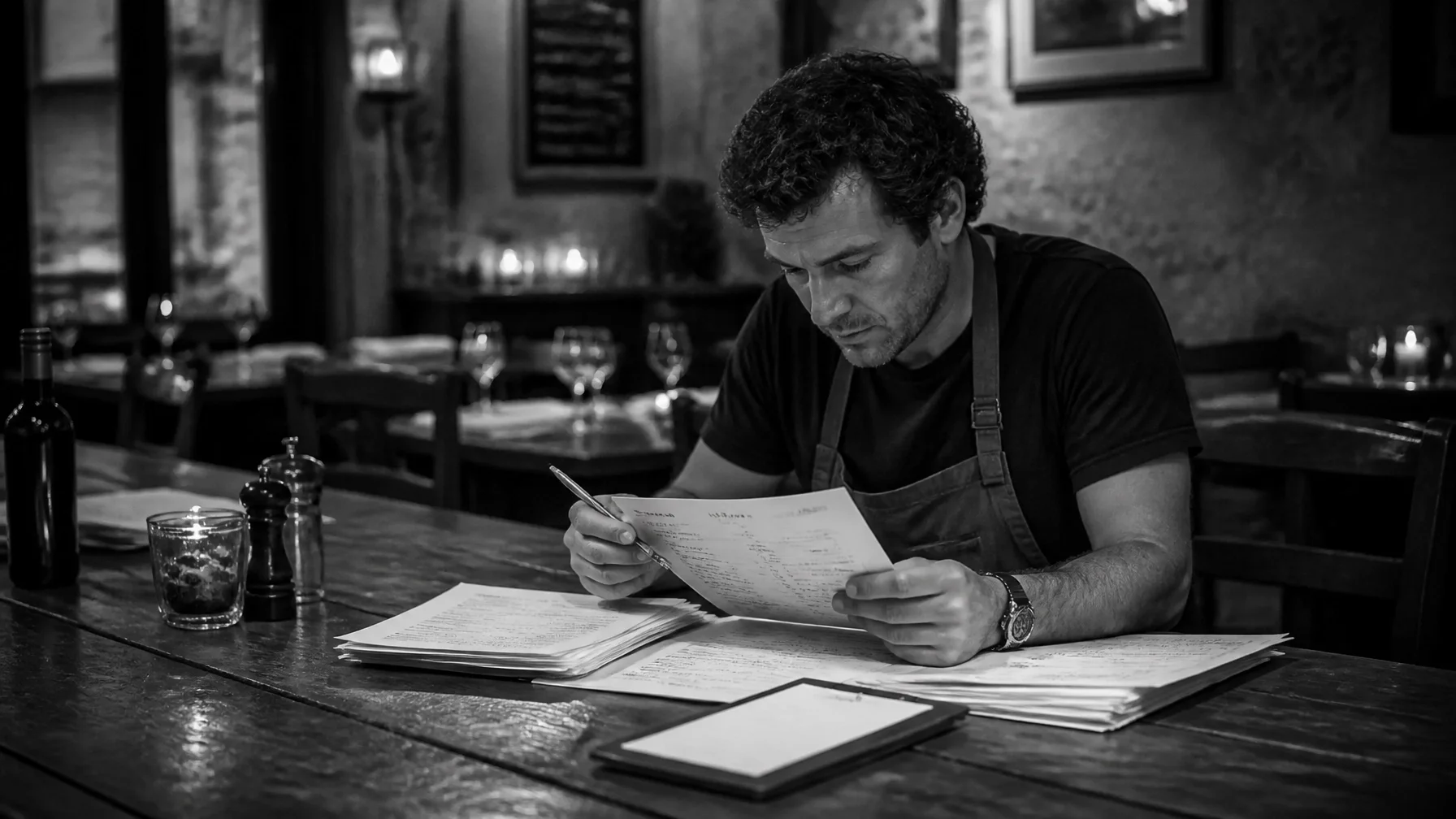
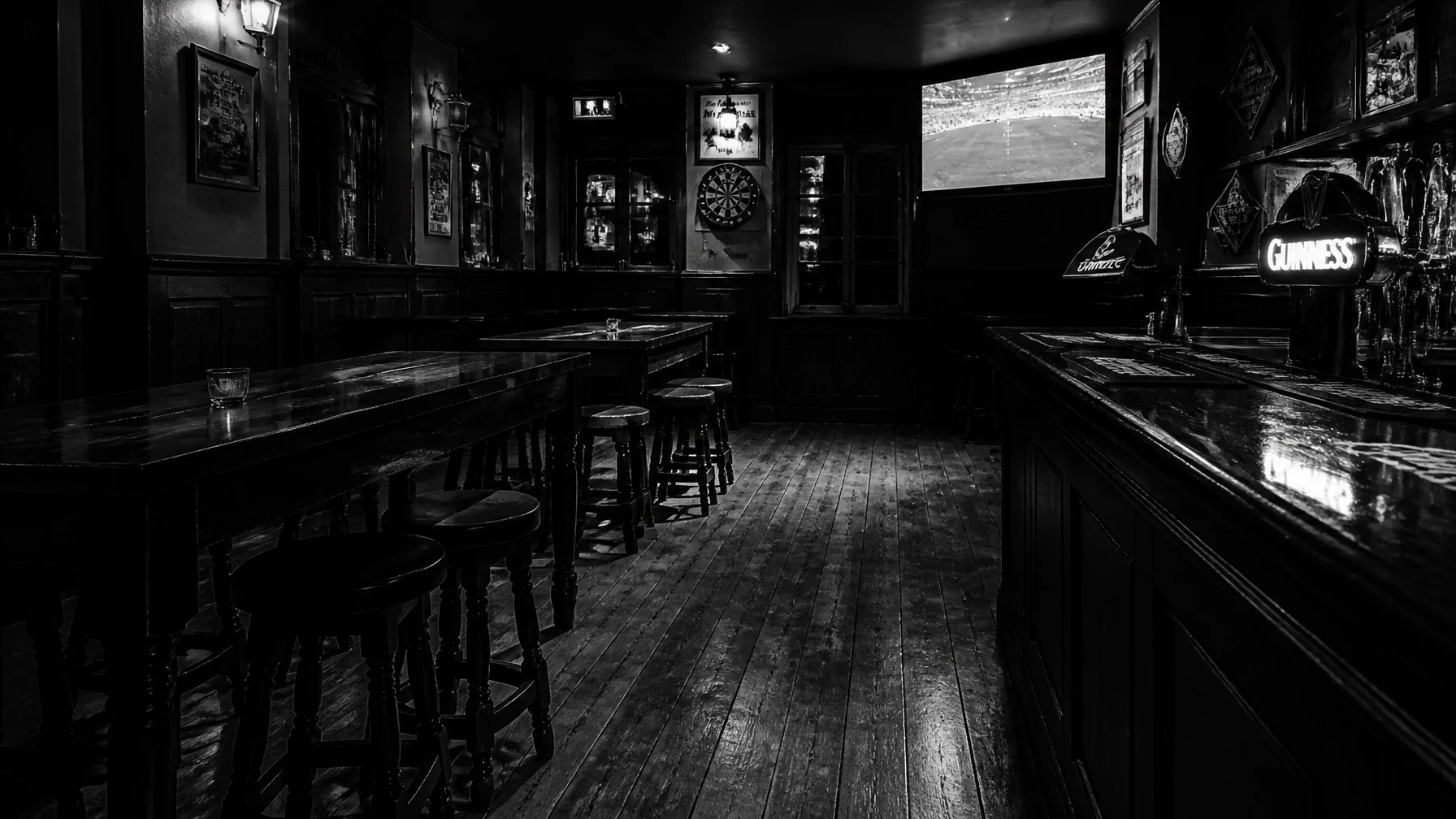
In March 2007, I was twenty-six years old and I had just acquired The Sun Inn in Bethnal Green, East London. It was a pub with no kitchen, a clientele I would eventually have to ban almost entirely, and weeks — plural — in which total revenue did not reach £100. Within thirty months, annual revenue had grown from approximately £10,000 to £800,000. The business traded successfully at that level for years thereafter.

And then I lost it. Not through poor trading, not through any operational failure, but because of four words in a lease I had signed at twenty-six without fully understanding what I was agreeing to.

I am going to tell you the whole story. Because the part where things went wrong is, if anything, more useful than the part where they went right.

What I Walked Into

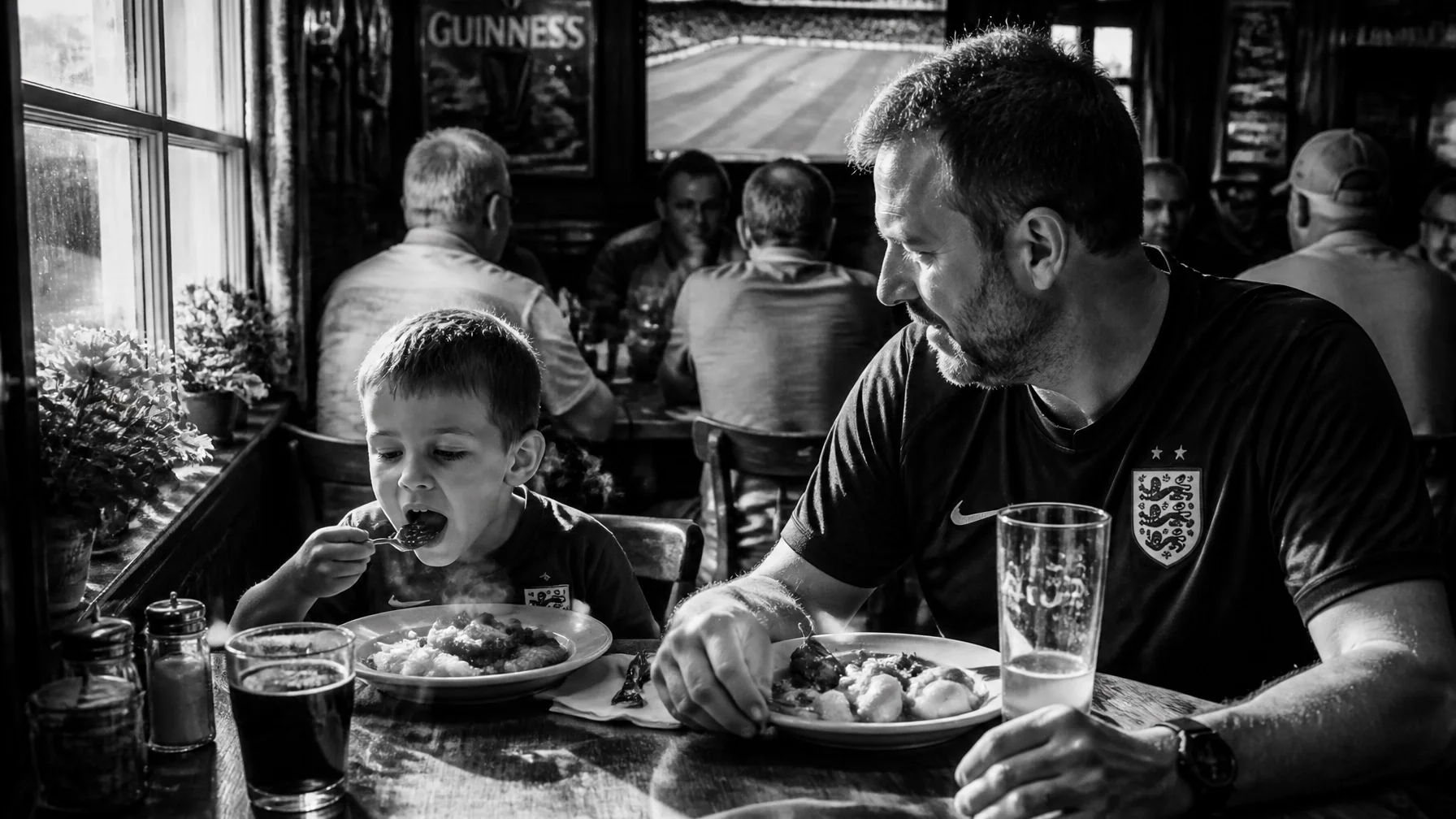
The Sun Inn was a small venue — fifty covers — in an area that was beginning to change but had not yet changed. East London in 2007 was still in the early stages of the transformation that would eventually redefine it, and Bethnal Green sat at an interesting fault line between communities that did not yet mix.

The existing customer base was the problem, and I mean that without disrespect to the individuals concerned. The culture of the pub — the behaviour that had been permitted, the atmosphere that had been allowed to calcify — was incompatible with the direction I needed to take the business. The hard truth about turnarounds is that you sometimes cannot build the new thing on top of the old thing. You have to clear the ground first.

So I did. Over the first few weeks, I banned almost every existing customer.

I want to be precise about what that cost. Not emotionally — though it was uncomfortable — but commercially. There were weeks during that period when I took less than £100 across seven days of trading. The pub was open. The lights were on. And almost nobody came. If you have ever stood behind a bar in a silent pub at eight o'clock on a Friday evening, you will understand the particular quality of that silence. It is not peaceful.

This is the moment that defeats most operators. It is the moment they compromise. They let the old customers back. They soften the new concept to avoid the conflict. They tell themselves they will change things gradually. And gradually, nothing changes.

I did not compromise. But I needed a plan for what came next.

The Concept: Deliberately Counterintuitive

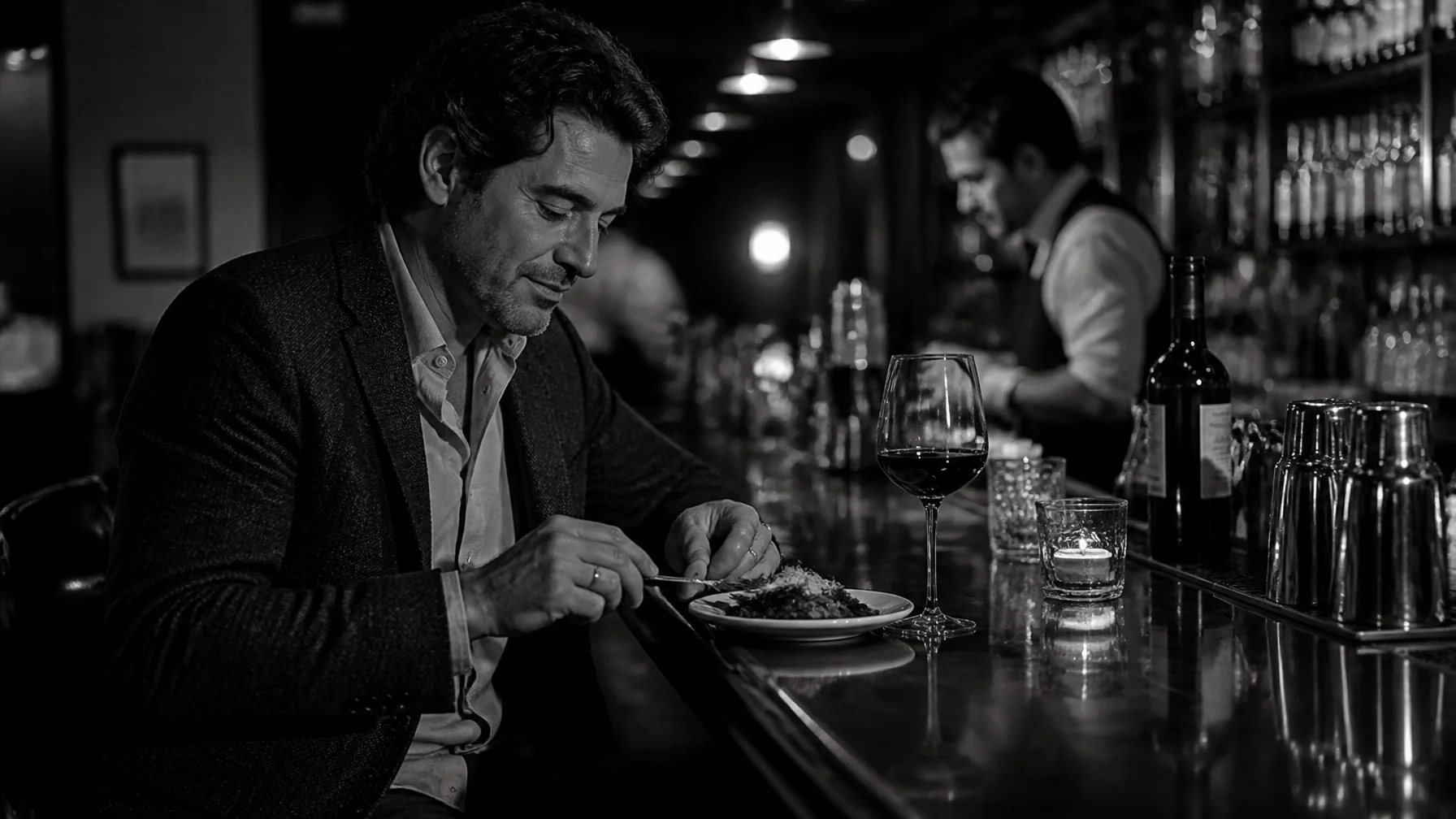
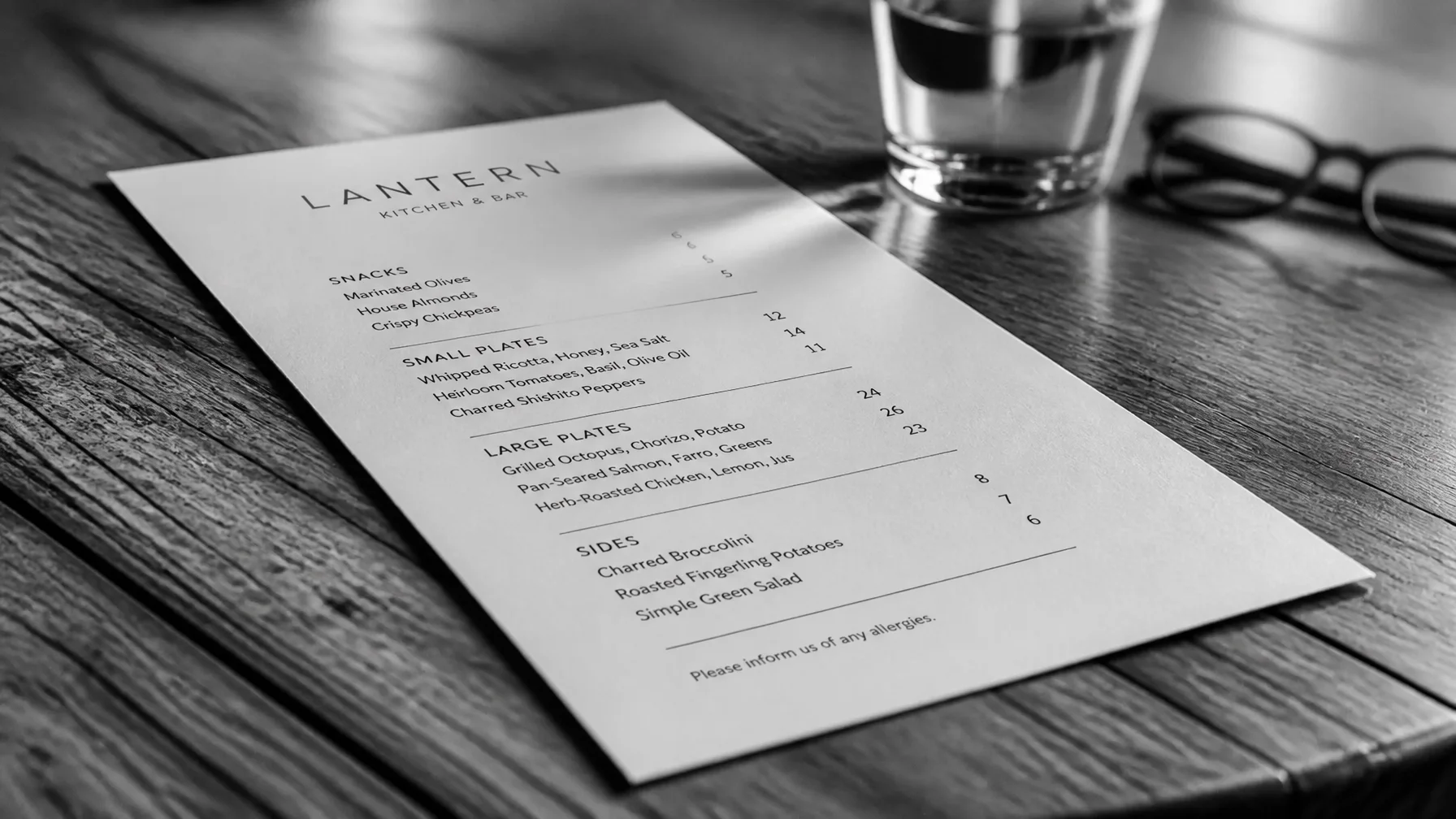
The Sun Inn had no kitchen when I took over. Rather than seeing this as a limitation, I installed a small kitchen area at the end of the bar. The food offer was intentionally not what you would expect from a British pub in 2007 — charcuterie, cheese boards, and deli and tapas-style dishes alongside a soup of the day and a casserole of the day. Coq au vin. Boeuf bourguignon. Served with locally baked bread.

The drink-to-food split was approximately 70/30, so this was emphatically a pub, not a restaurant. But the food offer communicated something important to a specific type of customer: this is a place with taste and intention. Someone here cares.

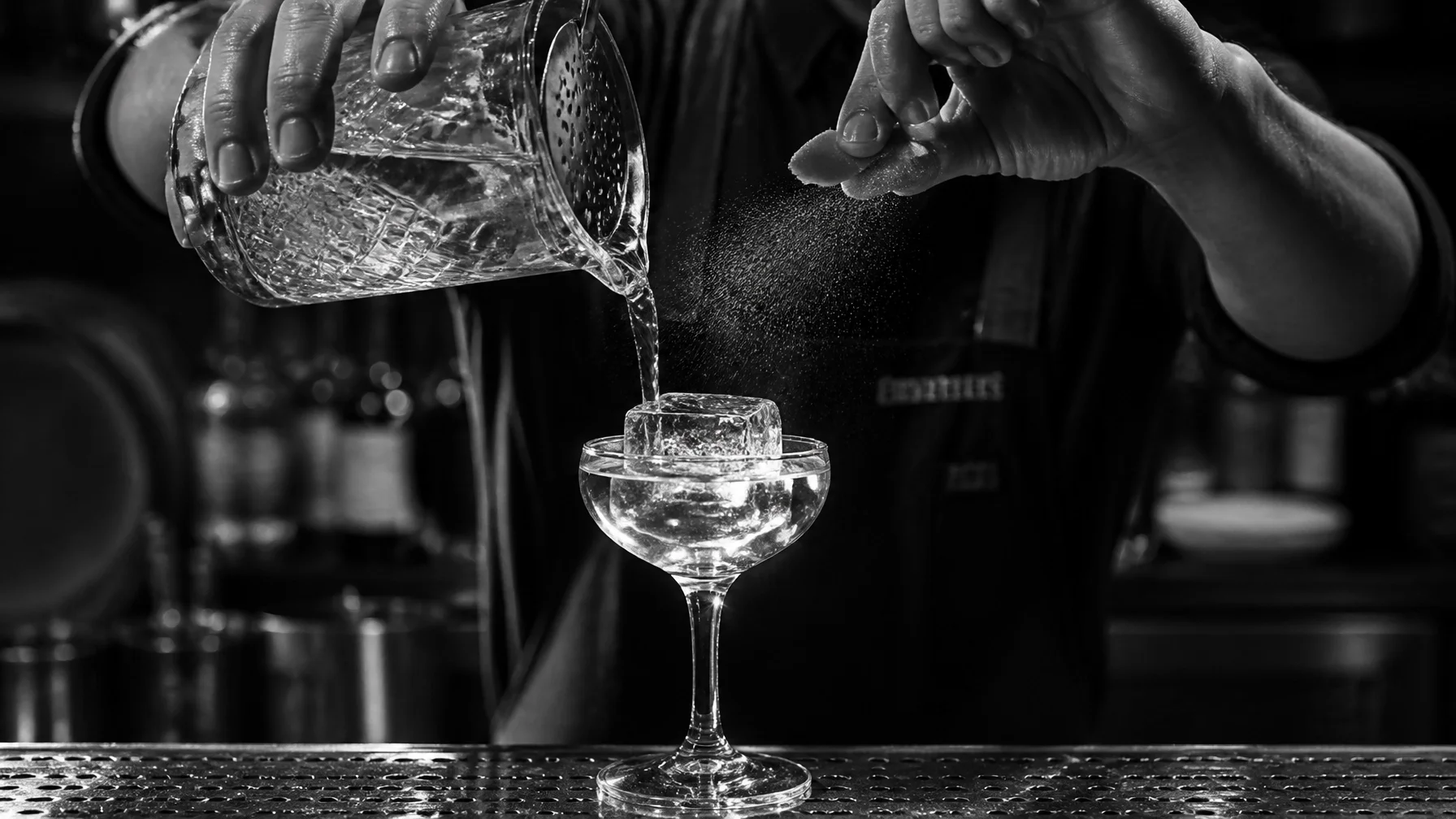
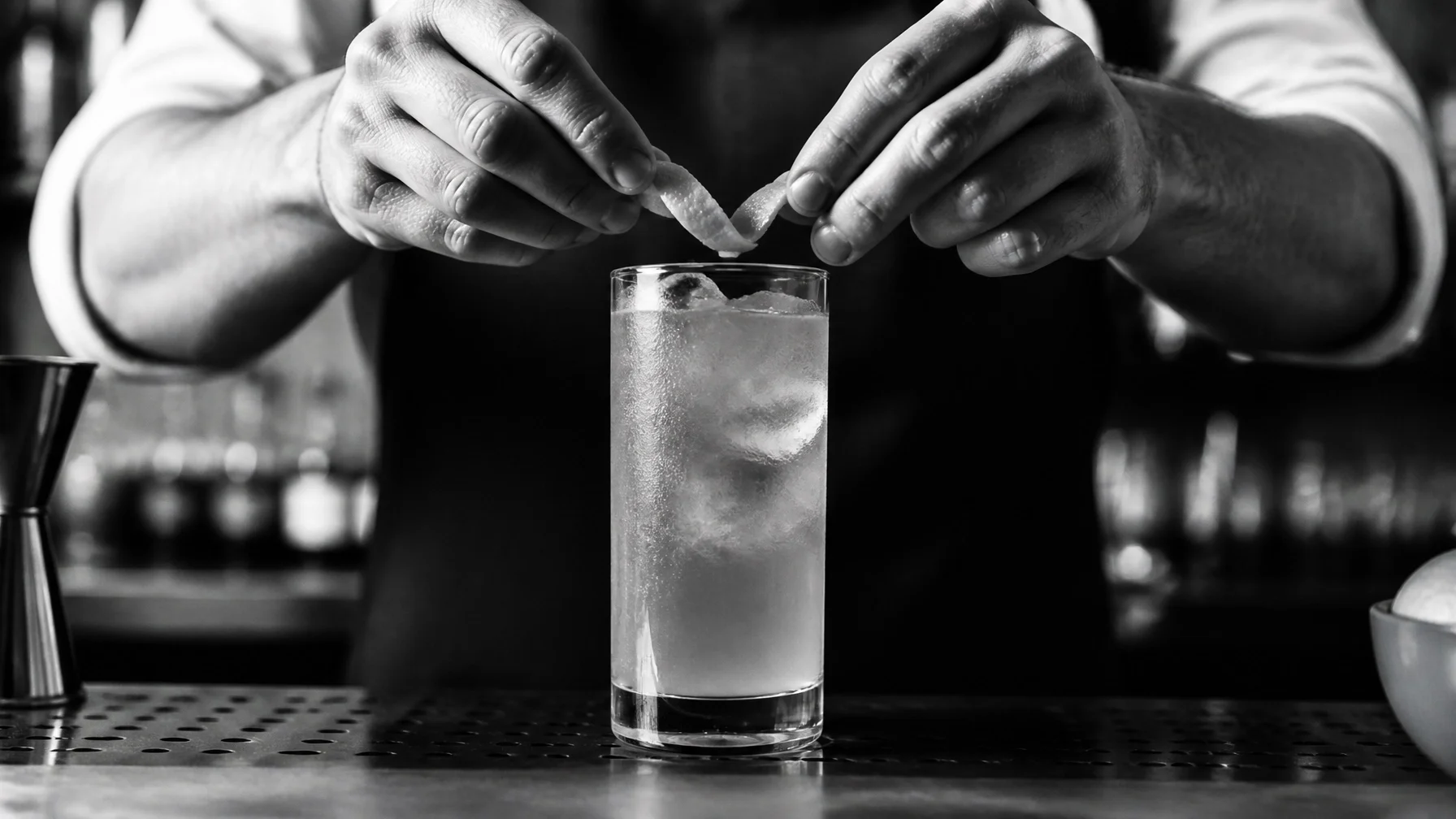
On the drinks side, I built a wide range of cask-conditioned real ales at a time when many London pubs had abandoned them entirely. I curated a wine list sourced from small producers — not the standard pub wine list chosen for margin alone. And I invested heavily in spirits, with a particular focus on gin and whisky, several years before either category became the industry obsession it is now.

None of this was accidental. Every product decision was a signal to a specific type of customer that this was their kind of place.

The Design Agency Across the Street

Directly opposite The Sun Inn was an interior design company. It was, by all accounts, a very cool firm. And every single person who worked there refused to come into my pub.

I watched them leave the office every evening and walk past the door, day after day, week after week. I understood why — the pub's previous reputation was the reason, and reputations outlast the conditions that created them. But I also understood that if I could convert them, I would access a significant number of people who lived within two kilometres of the pub, who worked in the creative industries, and who would tell their friends and social circles about somewhere new if they believed in it.

One evening I accosted a group of them on the pavement as they were leaving work. I physically declined to let them pass to reach the underground until they agreed to come in for a free drink.

This was not a marketing strategy I would necessarily recommend as a repeatable framework. But it worked.

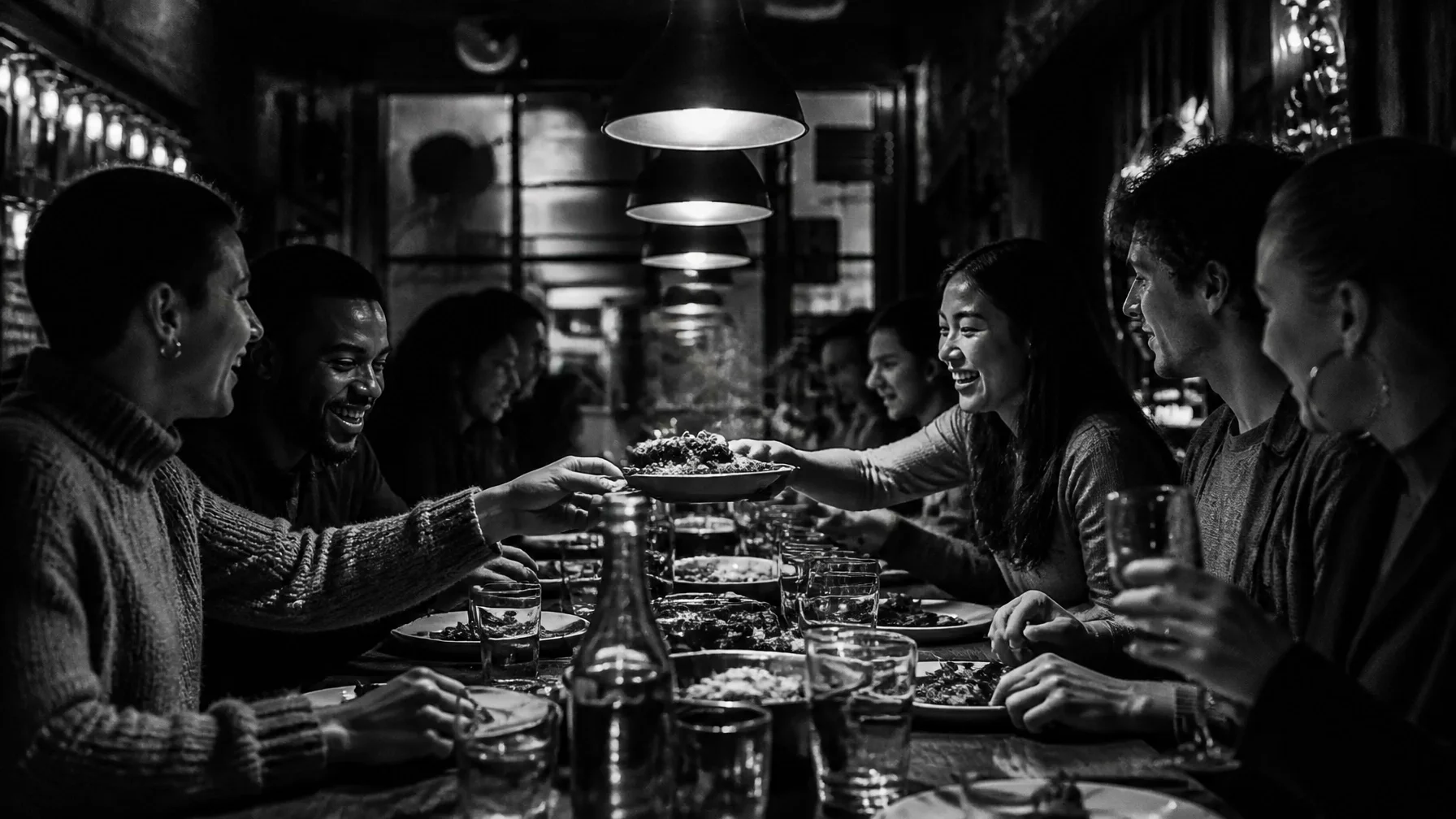
They came in. They saw what I had built. They had a drink — perhaps more than one. And because this was 2007, before social media had become the primary vehicle for recommendation, word of mouth operated at a different speed and with a different quality of trust. These were people whose colleagues, friends, and neighbours valued their taste and their judgement. When they said the pub was good, it was good. When they came back the following Friday, others followed.

That one conversation on the pavement generated a ripple that I can trace directly through the growth of the business.

What Actually Drove the Numbers

It would be convenient if I could tell you that the growth from £10,000 to £800,000 in annual revenue was the result of one brilliant insight or one defining moment. It was not. It was the compound effect of several decisions made consistently over thirty months.

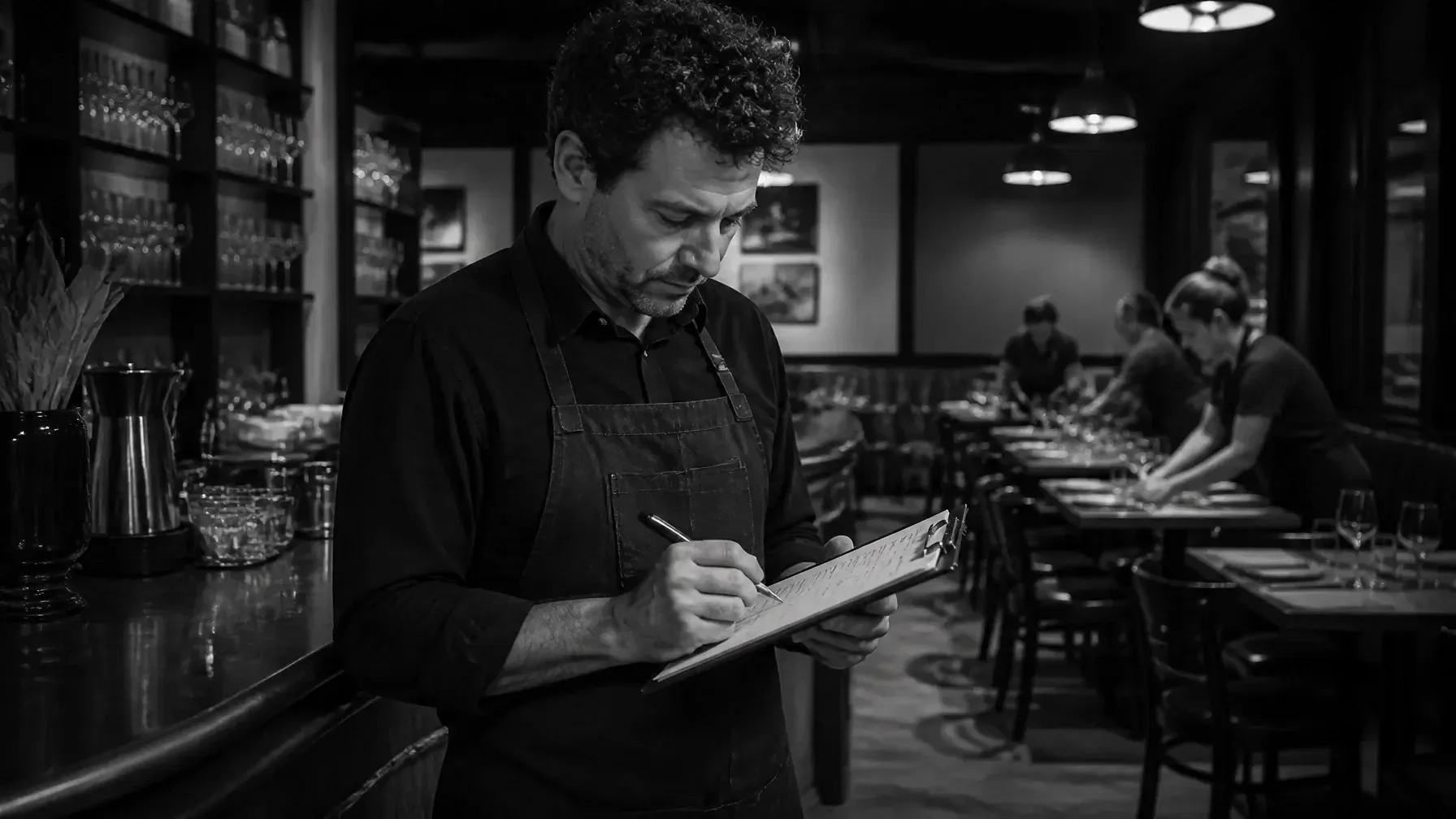
The team was everything. I invested heavily — disproportionately heavily, by the standards of what a small independent pub was expected to spend — in the training and development of my staff. In an era when hospitality employment was widely treated as a temporary and relatively unskilled occupation, I treated it as a craft and paid accordingly. Staff who believed in the product and understood why it mattered sold it with genuine conviction. That is not something you can manufacture with a script.

Table service changed the nature of the experience. Offering table service in a British pub in 2007 was, to put it mildly, unusual. Outside of formal restaurant areas, it simply was not done. But it changed the dynamic of the visit entirely. Customers stayed longer. They ordered more. They felt looked after. The average spend per head responded accordingly, and so did the word of mouth.

The product range attracted the right customer. Every cask ale pump, every small-producer wine, every bottle of single malt on the back bar was a statement of values. Customers who cared about those things found us and identified with us. They became advocates. In the pre-social media landscape, an advocate was worth more than any advertisement.

The food offer created a rhythm. The daily soup and casserole were not high-margin items in isolation, but they created a reason to come in at lunchtime, they kept staff purposefully occupied in quieter periods, and they communicated a level of daily care and effort that customers noticed and respected.

And the cosmetic changes mattered more than I expected. The physical environment was transformed. This signalled to anyone walking past that something had changed — that the old version was gone, that it was worth looking again. Never underestimate what deliberate design choices communicate to a street.

Nearly Seven Years

By late 2009, thirty months after I had taken on a pub generating almost nothing, The Sun Inn was doing £800,000 in annual revenue. It continued to trade at that level — a thriving, mature, community-embedded business — for several more years. By the end of 2013, I had been there nearly seven years.

I tell you this because what comes next needs that context. This was not a promising start that got cut short. This was a business that had proven itself, repeatedly, over the better part of a decade. A community. A team. A concept that had genuinely worked and kept working. I was thirty-two years old, and The Sun Inn was the defining achievement of my professional life to that point.

And then I lost it.

The Lesson I Paid For So You Don't Have To

I lost The Sun Inn not through poor trading, not through bad management, not through any of the operational failures I have described in other operators. I lost it because at twenty-six years old, building a business for the first time and operating on the assumption that success would be self-perpetuating, I signed a lease that was contracted out of the Landlord and Tenant Act 1954.

Four words that most first-time operators do not fully understand when they sign. What they mean in practice is this: at the end of your lease term, you have no statutory right to renew. No right to remain. The building can be sold, redeveloped, or repurposed, and you — regardless of what you have built, what you have invested, or what you have created — have no legal recourse.

The building was sold to a property developer. When my lease expired at the end of 2013, I was offered a new contract. The annual rent would increase from £18,000 to £70,000. I would lose two thirds of the building. I would lose the flat above the pub where I lived. I would be required to cease trading entirely for the duration of the redevelopment works, with no certainty about what I would return to. And at the end of all of that, I would be starting again, in a diminished space, with a rent that bore no relationship to what the business could sustainably support.

I walked away.

Nearly seven years of work. A business generating £800,000 in annual revenue. A community, a team, a concept that had genuinely worked and kept working. Gone — not because the business failed, but because of a clause in a document I had signed before I knew enough to understand what I was signing.

I have never forgotten it, and I raise it with every operator I work with who is approaching a lease negotiation. Get independent legal advice before you sign anything. Understand what the Landlord and Tenant Act 1954 does and does not protect. Know the difference between a lease contracted in and a lease contracted out, and understand precisely what you are surrendering if your landlord insists on the latter. Because the moment the building becomes more valuable than your business, you will find out exactly what your lease says — and by then, it will be too late to renegotiate.

The building was redeveloped. What we built there exists now only in the memories of the people who were part of it — and in whatever it taught me.

It taught me a great deal.

What This Means for You

I am not telling this story to impress you, and I am certainly not telling the ending to seek sympathy. I am telling it because almost every element of what happened at The Sun Inn between 2007 and 2013 is directly applicable to the challenges facing independent hospitality operators right now — including the parts that happened in a solicitor's office rather than behind the bar.

The operators I work with through Atelier Sawyer are at various stages of this journey. Some are in the silent-pub-on-a-Friday stage, and they need to hear that this is survivable and that there is a route through it. Some have the customers but cannot make the margins work. Some are doing well but have no idea why, and that is its own kind of vulnerability. And some are about to sign something they don't fully understand.

In every case, the work starts with an honest diagnosis. Not a comfortable one. An honest one.

If any part of this story sounds familiar — any part of it — that is probably where we should start.

Benjamin Sawyer is the Founder of Atelier Sawyer, a boutique hospitality consultancy operating between London and Spain's Costa del Sol. With over thirty years of hands-on experience from the potwash up, as an owner-operator of 6 venues in two countries, and as a consultant, he works with independent restaurants, bars, and cafés through both subscription-based consulting services and bespoke project work.

To discuss what an honest diagnosis of your business might look like, get in touch at enquiries@ateliersawyer.com.