
Surviving the heat: keeping your kitchen, terrace, team, and stock safe
Benjamin Sawyer · 26 June 2026 · 5 min read
Updated 30 October 2026
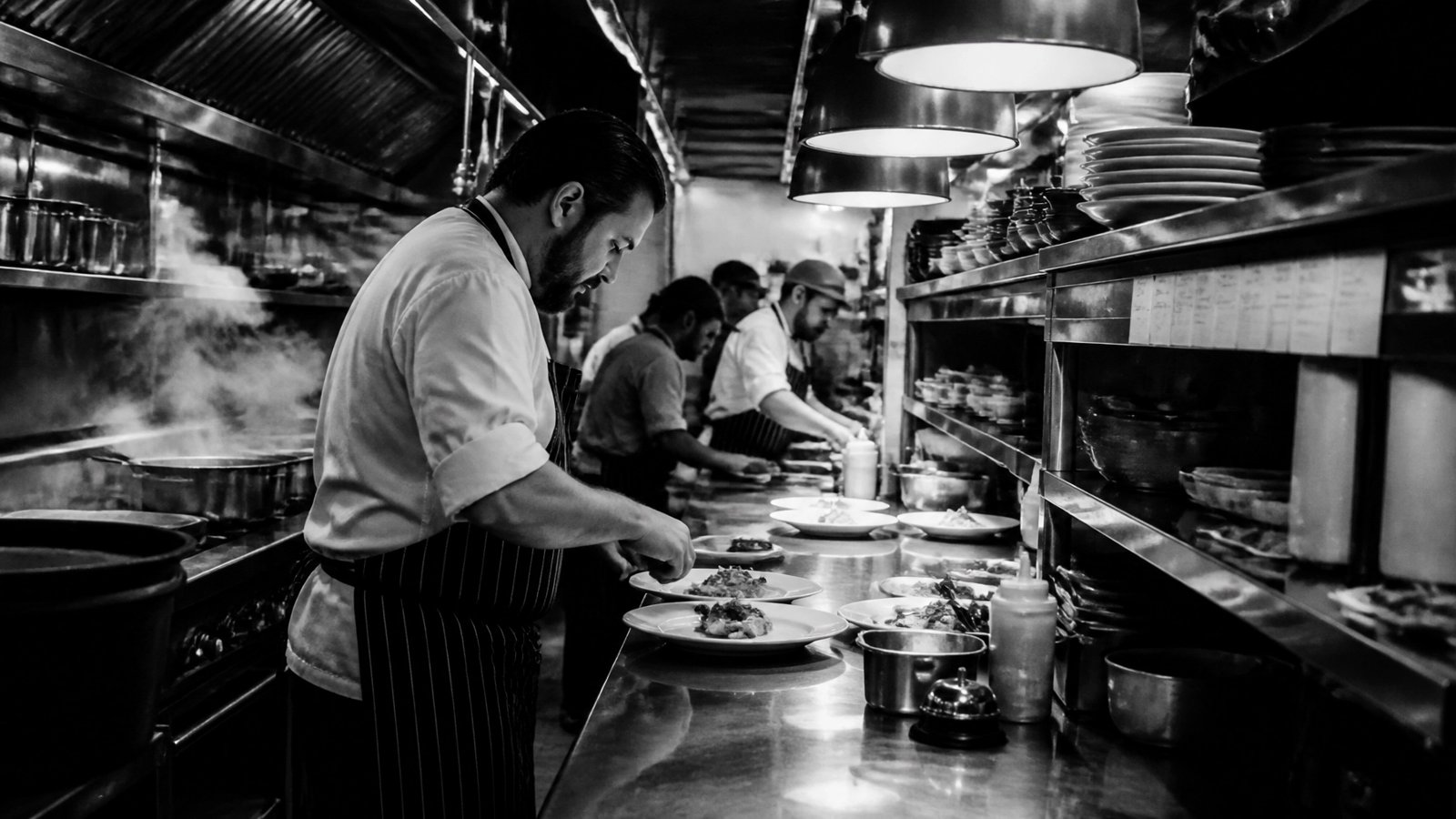
In a Spanish summer, a busy kitchen can pass 45°C, and a terrace in the afternoon sun becomes a risk for the people serving it. At that point concentration slips, accidents become more likely, fridges struggle to hold temperature, and food safety is at risk. Plan for heat as part of the season, not a surprise: protect your team with water, breaks, and shorter shifts; follow the law on outdoor work during heat alerts; look after your refrigeration; simplify the menu; and be ready to close the hours that do not pay.
Heat is part of the season
On the coast, heat is not a few uncomfortable days. It is July and August, and increasingly June and September too, and the hottest days are getting hotter. Many venues falter in the heat not for lack of effort, but because they do not respect the physics. A kitchen that runs hot in May becomes dangerous in August.
Look after the team first
In extreme heat, the body diverts blood to the skin to cool itself, and the brain gets less. People tire faster, think more slowly, and make more mistakes, and in a kitchen mistakes mean burns and cuts.
- Water, on a schedule. Having water available is not enough. Set regular breaks to drink, and provide drinks that replace salts lost in sweat.
- Shorter, smarter shifts. On the worst days, move prep to the cooler morning, give the team a proper rest in the hottest part of the afternoon, and bring them back for the evening. Many Spanish venues already close between services; use that break as protection, not just habit.
- Know the signs. Dizziness, nausea, cramps, and confusion are signs of heat exhaustion. If someone shows them, they stop, cool down, and rest, and the service slows or pauses around them.
Spanish rules set limits on the temperature of enclosed workplaces, and heat must be part of every kitchen's risk assessment. Write down what you will do on hot days, and make sure the team knows it.
The terrace is a workplace
When AEMET issues an orange or red heat alert, Spanish law requires work outdoors to be adapted, or stopped, if the people doing it cannot be protected. For a bar or restaurant, that can mean cutting terrace hours or suspending service in the hottest part of the day.
Decide in advance who watches the alerts, who decides to cut or stop terrace service, how staff move inside, what happens to the bookings, and how you tell guests. Provide shade, water, rest, and rotation between inside and outside. The terrace is part of your revenue, but it is also a workplace.
Look after the fridges
While the team struggles, so does the equipment. Refrigeration is built for a particular room temperature, shown by its climate class, and many units are not designed for a kitchen in the high thirties. Push them past it, and the compressors run constantly, wear out early, use more energy, and sometimes simply fail.
Under Spanish rules for prepared food, chilled dishes must be kept at 4°C or below, and hot food held at 65°C or above. Everything in between is where bacteria grow, and in a hot kitchen food reaches it faster.
- Clean the condenser coils before the summer. A coil clogged with grease and dust is the most common cause of a broken compressor in a heatwave.
- Open the doors less. Train the team to think before they open a fridge, and to take what they need in one go.
- Check temperatures more often. Every two hours on hot days, rather than twice a day, catches a failing unit before the stock is lost.
If a unit will not hold its temperature, order less and move what matters into your most reliable fridge.
Simplify the menu
Guests do not want a heavy stew when the pavement is melting. The heat is the time for lighter dishes that need less time on the stove: salads, cold soups, grilled fish, dishes assembled rather than cooked to order. Move prep to the early morning, and turn down the heat the kitchen produces. That helps the team and eases the load on your extraction and your fridges.
Drinks matter more in the heat, and good, cold, well-priced ones, including alcohol-free drinks worth ordering, can make up for a dip in food.
Tell guests what you have changed. If the menu is shorter, or the terrace closes for the afternoon, a short note or a word at the table goes a long way. Most people are generous when they can see you are looking after your staff.
Three lines I would not cross
These are my own rules of thumb:
- If your kitchen will not stay below 40°C, you are paying for exhausted labour and struggling equipment, and getting less from both.
- If a member of the team shows signs of heat exhaustion, the service slows or stops. The environment is the problem, not the person.
- If the afternoon is empty in the heat, close it. Use the time for admin, a deep clean once it cools, or rest before the evening.
Surviving the heat is not about how much discomfort you can bear. It is about adapting the kitchen, the terrace, the menu, and the rota so the people, the stock, and the guests all come through it.
If you would like a plan for next summer built into your rota and your menu, Run will help you put it in place before the heat arrives.