Beyond the spirit shelf: why alcohol-free drinks are worth taking seriously
Benjamin Sawyer · 25 June 2026 · 5 min read
Updated 30 October 2026
Guests are drinking less alcohol, but they are not spending less if you give them something worth ordering. A well-made alcohol-free drink leaves out the most expensive part of a cocktail, the spirit and the duty on it, and can still sell at a proper price, because the guest is paying for the glass, the care, and the occasion. Give alcohol-free drinks a real place on the menu, build them from what is already on the bar, cost them properly, and teach the team to offer them.
Drinking less, choosing more
Over the years I have seen many changes in what people drink: from the house red to craft beer, and now to a guest who drinks less, but cares more about what is in the glass.
For an independent, this can feel like a threat. The reflex is to put another fifty pence on the pint or the double gin. But there is a limit to how far a pint can rise before the guest stays at home. The better opportunity is not on the spirit shelf. It is a proper alcohol-free list.
The glass, not the liquid
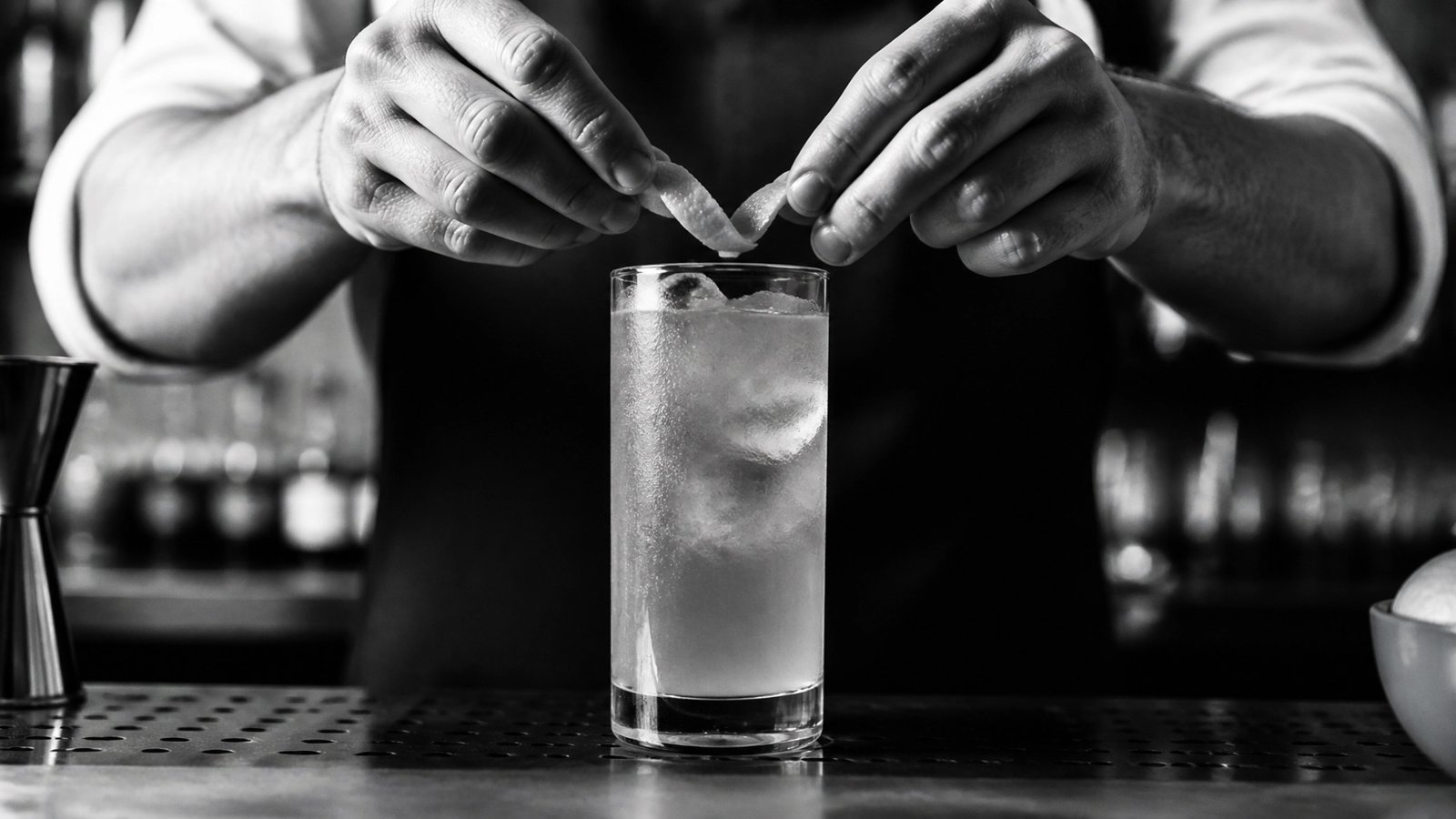
A guest rarely pays for the liquid alone. They pay for the ritual, the glassware, the garnish, and the seat. Soda water from the gun has very little perceived value, so you cannot charge much for it. Give an alcohol-free drink the same care as a Negroni, and the value changes entirely.
That is where the margin is. A well-made alcohol-free spritz removes the costliest part of the drink, the spirit and its duty, yet the guest accepts a fair price, because the effort is visible. You are no longer selling a commodity. You are selling something made.
Give it a place on the menu
On most menus, alcohol-free drinks sit at the back, between the sparkling water and the children's juices. That is a missed opportunity.
- Put them with the cocktails, not after the soft drinks.
- Describe them properly: the botanicals, the fruit, the season. A name and a flavour sell a drink; the word "virgin" does not.
- Use a decoy. A more elaborate alcohol-free sharing jug at a higher price makes an eight or nine pound single serve look like the sensible choice.
Build it from the bar you already have
The usual objection is that an alcohol-free list will clutter the bar and slow the service. It need not. The fruit purée in your signature cocktail can be the base of a house soda. The syrups in your gin serves can go into an alcohol-free spritz. Use a few good ingredients in more than one drink, and the station stays clean and the prep stays manageable.
Start small. Choose three alcohol-free drinks you can make from what you already stock. Cost each one to the penny, garnish and straw included. Then add them to the list.
Price drinks on cash, not percentage
The same rule applies to drinks as to food. At the cheap end, a percentage is a useful guide. At the top, price on the cash each drink leaves, not on the share of the price you keep. A premium spirit marked up to the same percentage as the house pour ends up too expensive to sell, and the bottle gathers dust. Priced on cash, it moves, and every glass leaves more in the till. I explain the method in "What is cash margin?".
"Just a water"
Your team sells more than any menu. When a guest asks for "just a water", a server who offers a house soda or a botanical tonic is not being pushy. They are offering a better evening. Teach the team the story and the margin behind each drink, and they will offer them with the same confidence they bring to the wine list.
Guests are moving towards moderation. Meet them with quality, and they will keep spending with you. Your spirit shelf will always have its place, but your alcohol-free list may become one of your most reliable earners.
If you would like someone to go through your drinks list and its margins with you, a Hospitality Health Check will do that, line by line.