Benjamin Sawyer 16/10/2026 Benjamin Sawyer 16/10/2026 13% or 10%? The Two VAT Numbers Now on the Table Read More Benjamin Sawyer 18/09/2026 Benjamin Sawyer 18/09/2026 The Netherlands Already Has a 9% VAT Rate. It Isn't Saving Its Restaurants... Read More Benjamin Sawyer 16/09/2026 Benjamin Sawyer 16/09/2026 The Staffing Cliff: Why There Are No Chefs Left, and What to Do About It Read More Benjamin Sawyer 15/09/2026 Benjamin Sawyer 15/09/2026 Why Everyone Is Talking About the "Right to Profit" (And You Should Too) Read More Benjamin Sawyer 12/09/2026 Benjamin Sawyer 12/09/2026 The Rules Changed While You Were Busy: Málaga's Winter Compliance Checklist Read More Benjamin Sawyer 11/09/2026 Benjamin Sawyer 11/09/2026 The Costa del Sol Is Full. So Why Are the Tills Quieter? Read More Benjamin Sawyer 09/09/2026 Benjamin Sawyer 09/09/2026 Tips, Troncs, and the New Code: What the 2026 Revisions Mean for Your Restaurant Read More Benjamin Sawyer 08/09/2026 Benjamin Sawyer 08/09/2026 The Treasury Says a VAT Cut Is "Too Expensive". Here's What That Means for Your Menu Prices Read More Benjamin Sawyer 07/09/2026 Benjamin Sawyer 07/09/2026 The £10m Hospitality Grant Scheme: What Independent Operators Need to Know Before Applications Open Read More Benjamin Sawyer 23/07/2026 Benjamin Sawyer 23/07/2026 The 20% Rates Cut: A Win for 2027 or a Distraction for Today? Read More Benjamin Sawyer 16/07/2026 Benjamin Sawyer 16/07/2026 Archaeology vs. Control: Managing Stock Read More Benjamin Sawyer 15/07/2026 Benjamin Sawyer 15/07/2026 Tips, Troncs, and the New Code: What the 2026 Revisions Mean for Your Restaurant Read More Benjamin Sawyer 15/07/2026 Benjamin Sawyer 15/07/2026 The Accountant, the Builder, and the Bistro: Why Only One of Them Has to Explain Their Margin Read More Benjamin Sawyer 06/07/2026 Benjamin Sawyer 06/07/2026 The Employment Rights Act in Practice: SSP, Costs, and the Hospitality Response Read More Benjamin Sawyer 03/07/2026 Benjamin Sawyer 03/07/2026 The Ultimate Guide to the 5am World Cup Extension: Everything You Need to Succeed Read More Benjamin Sawyer 02/07/2026 Benjamin Sawyer 02/07/2026 Management by Osmosis: Why Your Best Waiter Might Be Your Worst Manager, and What to Do About It Read More Benjamin Sawyer 26/06/2026 Benjamin Sawyer 26/06/2026 Surviving the Heatwave: Operational Resilience for the Independent Kitchen Read More Benjamin Sawyer 25/06/2026 Benjamin Sawyer 25/06/2026 Beyond the Spirit Shelf: Why Non-Alcoholic Profit is Your New Best Friend Read More Benjamin Sawyer 22/06/2026 Benjamin Sawyer 22/06/2026 The Early Shift: How the 5% VAT Kids' Meal Can Save Your World Cup Trade Read More Benjamin Sawyer 16/06/2026 Benjamin Sawyer 16/06/2026 From Hospitality to "Order Taking" Read More Older Posts
Benjamin Sawyer 16/10/2026 Benjamin Sawyer 16/10/2026 13% or 10%? The Two VAT Numbers Now on the Table Read More
Benjamin Sawyer 18/09/2026 Benjamin Sawyer 18/09/2026 The Netherlands Already Has a 9% VAT Rate. It Isn't Saving Its Restaurants... Read More
Benjamin Sawyer 16/09/2026 Benjamin Sawyer 16/09/2026 The Staffing Cliff: Why There Are No Chefs Left, and What to Do About It Read More
Benjamin Sawyer 15/09/2026 Benjamin Sawyer 15/09/2026 Why Everyone Is Talking About the "Right to Profit" (And You Should Too) Read More
Benjamin Sawyer 12/09/2026 Benjamin Sawyer 12/09/2026 The Rules Changed While You Were Busy: Málaga's Winter Compliance Checklist Read More
Benjamin Sawyer 11/09/2026 Benjamin Sawyer 11/09/2026 The Costa del Sol Is Full. So Why Are the Tills Quieter? Read More
Benjamin Sawyer 09/09/2026 Benjamin Sawyer 09/09/2026 Tips, Troncs, and the New Code: What the 2026 Revisions Mean for Your Restaurant Read More
Benjamin Sawyer 08/09/2026 Benjamin Sawyer 08/09/2026 The Treasury Says a VAT Cut Is "Too Expensive". Here's What That Means for Your Menu Prices Read More
Benjamin Sawyer 07/09/2026 Benjamin Sawyer 07/09/2026 The £10m Hospitality Grant Scheme: What Independent Operators Need to Know Before Applications Open Read More
Benjamin Sawyer 23/07/2026 Benjamin Sawyer 23/07/2026 The 20% Rates Cut: A Win for 2027 or a Distraction for Today? Read More
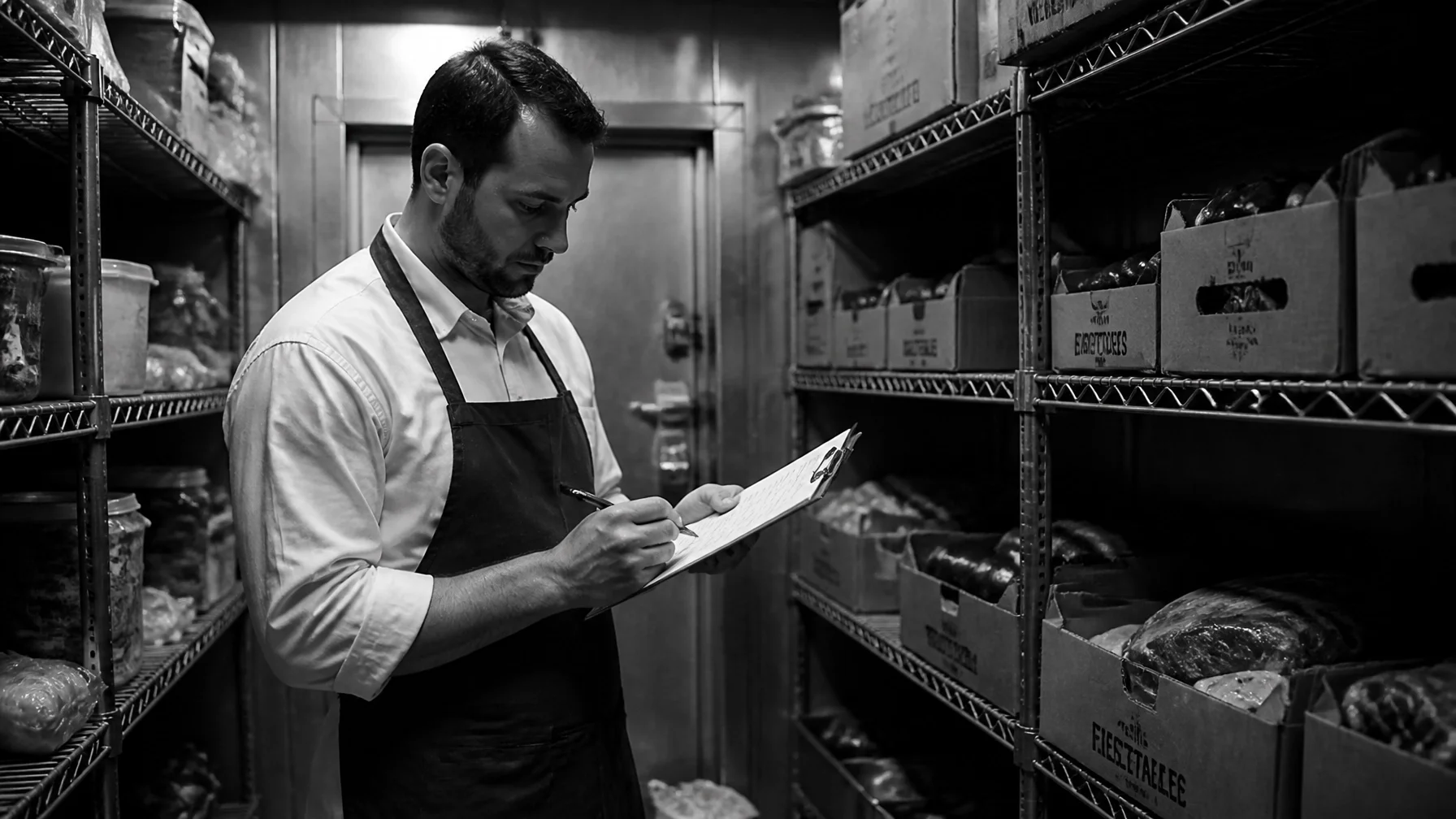
Benjamin Sawyer 16/07/2026 Benjamin Sawyer 16/07/2026 Archaeology vs. Control: Managing Stock Read More
Benjamin Sawyer 15/07/2026 Benjamin Sawyer 15/07/2026 Tips, Troncs, and the New Code: What the 2026 Revisions Mean for Your Restaurant Read More
Benjamin Sawyer 15/07/2026 Benjamin Sawyer 15/07/2026 The Accountant, the Builder, and the Bistro: Why Only One of Them Has to Explain Their Margin Read More
Benjamin Sawyer 06/07/2026 Benjamin Sawyer 06/07/2026 The Employment Rights Act in Practice: SSP, Costs, and the Hospitality Response Read More
Benjamin Sawyer 03/07/2026 Benjamin Sawyer 03/07/2026 The Ultimate Guide to the 5am World Cup Extension: Everything You Need to Succeed Read More
Benjamin Sawyer 02/07/2026 Benjamin Sawyer 02/07/2026 Management by Osmosis: Why Your Best Waiter Might Be Your Worst Manager, and What to Do About It Read More
Benjamin Sawyer 26/06/2026 Benjamin Sawyer 26/06/2026 Surviving the Heatwave: Operational Resilience for the Independent Kitchen Read More
Benjamin Sawyer 25/06/2026 Benjamin Sawyer 25/06/2026 Beyond the Spirit Shelf: Why Non-Alcoholic Profit is Your New Best Friend Read More
Benjamin Sawyer 22/06/2026 Benjamin Sawyer 22/06/2026 The Early Shift: How the 5% VAT Kids' Meal Can Save Your World Cup Trade Read More