

What People Get Wrong When They Move to the Costa del Sol and Open a Café
To be honest, when I arrived on the Costa del Sol, I didn't really know what to expect. I had thirty years of hospitality experience behind me, across six venues in the UK and Spain, and I made most of it up as I went along.
That is both a confession and a reassurance. A confession because I would counsel any operator against my level of improvisation. A reassurance because, despite it, El Punto Gastro Café, a venue I took on as a shell of a closed-down business across the road from the beach in Benalmádena, was trading successfully within a year and sold for three times what I paid for it.
The mistakes I made, and the ones I watched others make around me, were largely the same ones. Here is what people consistently get wrong, and what I learned by getting some of it wrong myself.
They underestimate the bureaucracy – and overestimate their ability to navigate it alone
Spain's administrative system is not especially complicated once you understand it. Getting to that understanding, however, takes longer and costs more than most people expect, particularly if they arrive without Spanish, without local contacts, and with the assumption that things will work the way they do at home.
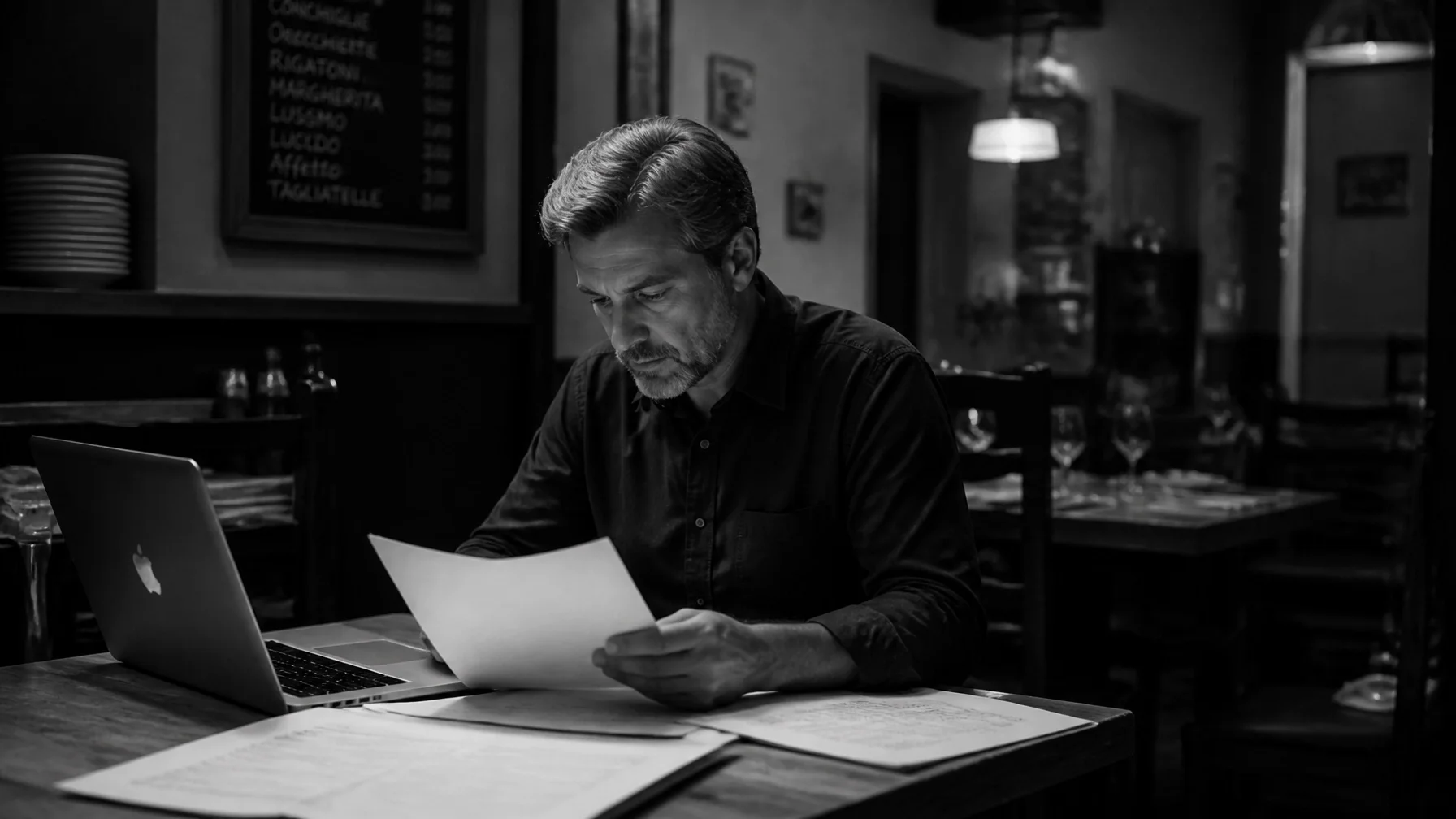
I used a local abogado (lawyer) to help with my NIE and residency paperwork. I was fortunate to have landlords who introduced me to a property agent who helped me with the traspaso — the process of transferring a Spanish business licence — and a bilingual contact who translated the lease before I signed it. Without those people, I would have been significantly more exposed than I was.
I still wish I had done more research on the bureaucracy before I arrived. The paperwork is manageable, but only if you have the right people around you. A gestor – an administrative advisor who understands Spanish business registration, tax requirements, and local licensing – is not optional. Neither is proper legal advice on your lease and your traspaso. These are not costs to minimise. They are the foundation everything else sits on.
Learn some Spanish before you go. Not enough to run a business in; that takes years, but enough to show people you are trying. On the Costa del Sol, where expat operators are common enough to have a reputation, the effort is noticed, and it matters.
They don't understand Spanish credit culture – and it hits their startup costs hard
In the UK, a new hospitality business can often negotiate credit terms with suppliers relatively quickly, particularly if the operator has a track record. In Spain, and particularly on the Costa del Sol, where supplier relationships have been burnt by businesses that opened, traded for a season, and disappeared, you will be paying upfront for some time before credit is extended, if ever.
This is not unreasonable. It is a rational response to a market with high turnover among new operators. But it has a direct and significant impact on your startup capital requirements and your cash flow in the early months. If your financial model is built on the assumption of 30-day payment terms, rebuild it around cash on delivery. The difference will surprise you.
The flip side of this, and it matters, is what those supplier relationships become once they are established. When my health issues created a period where I couldn't get to Pizzería Nº7 in Málaga to manage orders, the sales representatives from my suppliers offered to visit the restaurant and help my waiter put orders together. Not because they were contractually obliged to. Because they knew the business, they knew what we were getting through each week, and we had built a relationship with them. The market traders did the same.
That does not happen in a transactional relationship. It happens because you took the time to build something real. The Spanish, in my experience, will go to remarkable lengths for people they respect and trust. The investment in those relationships – time, consistency, and a genuine attempt to operate within the local culture rather than on top of it – pays back in ways that are difficult to quantify but impossible to miss when you need them.
They build a business for tourists and wonder why winter is brutal
The Costa del Sol has a high season and a low season, and the gap between them is wider than most people arriving from northern Europe anticipate. Summer revenues can feel like proof that the concept works. They are not. They are proof that the location gets warm and the tourists come. The test of the business is what happens when they leave.
The most common version of this mistake is building a café that serves other expats and tourists – English breakfasts, familiar comfort food, and menus in English – without making any serious attempt to attract local, year-round trade. That model works in July. It fails in February.
At El Punto, the majority of my clientele were local and predominantly Spanish, from the outset. This was not entirely by design; it was partly a consequence of location, partly the concept, and partly the fact that I was trying to build a real business rather than a seasonal one. But it was the single most important factor in the venue's commercial stability. Locals come back. Tourists don't.
Building local trade on the Costa del Sol requires understanding what the local market actually wants, which is not always what the expat operator assumes. It requires pricing that works for residents, not just visitors. It requires a presence and a consistency that gives people a reason to make you part of their routine. And it requires enough Spanish, or enough goodwill, to make local customers feel welcome rather than just accommodated.
They don't know the coffee
This sounds trivial. It is not.
Malagueño coffee culture has its own taxonomy, and it is not the same as the rest of Spain. A café con leche in Málaga is not what you expect. The local system runs from solo — a short, strong black — through sombra and mitad and nube and cortado, each with a precise ratio of coffee to milk that locals order by name and baristas execute without thinking. Getting it wrong, or looking confused when someone orders a manchado, is the kind of thing that marks you immediately as someone who doesn't know what they're doing.
Learn the names before you open. Practise the ratios. It is a small thing that communicates something large: that you took the time to understand where you are.
They treat the experience like a lifestyle and run out of money before it becomes a business
The dream version of a Costa del Sol café involves sun terraces, long lunches, and a gentle pace of life. The reality involves 6am market runs, staff who don't show up, licensing inspections, summer heat in a small kitchen, and the specific financial pressure of watching your winter reserves drain while you wait for the season to turn.
Most people who fail on the Costa del Sol don't fail because the concept was wrong or because the market wasn't there. They fail because they were undercapitalised for the realities of seasonal trading and because the gap between the dream and the daily operational grind was wider than they had prepared for.
Whatever you think you need to open and sustain a café through its first full year, including a low season, add a meaningful buffer. The bureaucracy will take longer than expected. The fit-out will cost more than quoted. The credit terms won't materialise as quickly as you had hoped. And the season will end before you feel ready for it to.
What I would tell someone starting now
Go in with your eyes open, and go in with people around you. Find a good abogado and a good gestor before you need them, not after. Understand the traspaso process before you commit to a property. Learn enough Spanish to show respect for where you are, and learn the coffee before you open the doors.
Build supplier relationships as if they are the business, because in a crisis they might be. Don't build exclusively for tourists if you want a business that survives the winter. And make sure your financial model is built around what the business actually costs to run, not what you hope it will cost when everything goes to plan.
The Costa del Sol is a genuinely compelling market. The café culture is real, the appetite for quality is there, and if you build something honest and operate it properly, the rewards are real too. I opened a bar from a shell across the road from the beach in Benalmádena, built it into something the local community used every day, and sold it within a year for three times what I paid for it.
But I also had thirty years of experience to draw on, good people around me from the start, and enough honesty about what I didn't know to ask for help when I needed it.
That combination – experience, relationships, and honesty about the gaps – is what the Costa del Sol rewards. The romantic vision, on its own, is not enough.
Benjamin Sawyer is the Founder of Atelier Sawyer, a boutique hospitality consultancy operating between London and Málaga. He opened and sold El Punto Gastro Café in Benalmádena and Pizzería Nº7 in Málaga, and works with operators across the UK and Spain through subscription-based consulting and bespoke project work.
Planning to open in Spain? Read the companion guide: How to Open a Bar, Restaurant, or Café in Spain
Or start with a conversation: Book a free consultation · enquiries@ateliersawyer.com