
Who I help · Charities and social enterprises
Help for charity cafés and social enterprises
Cafés, training kitchens, and community spaces run by asociaciones, fundaciones, and social enterprises. Your mission matters, and it needs a business that can pay for it.
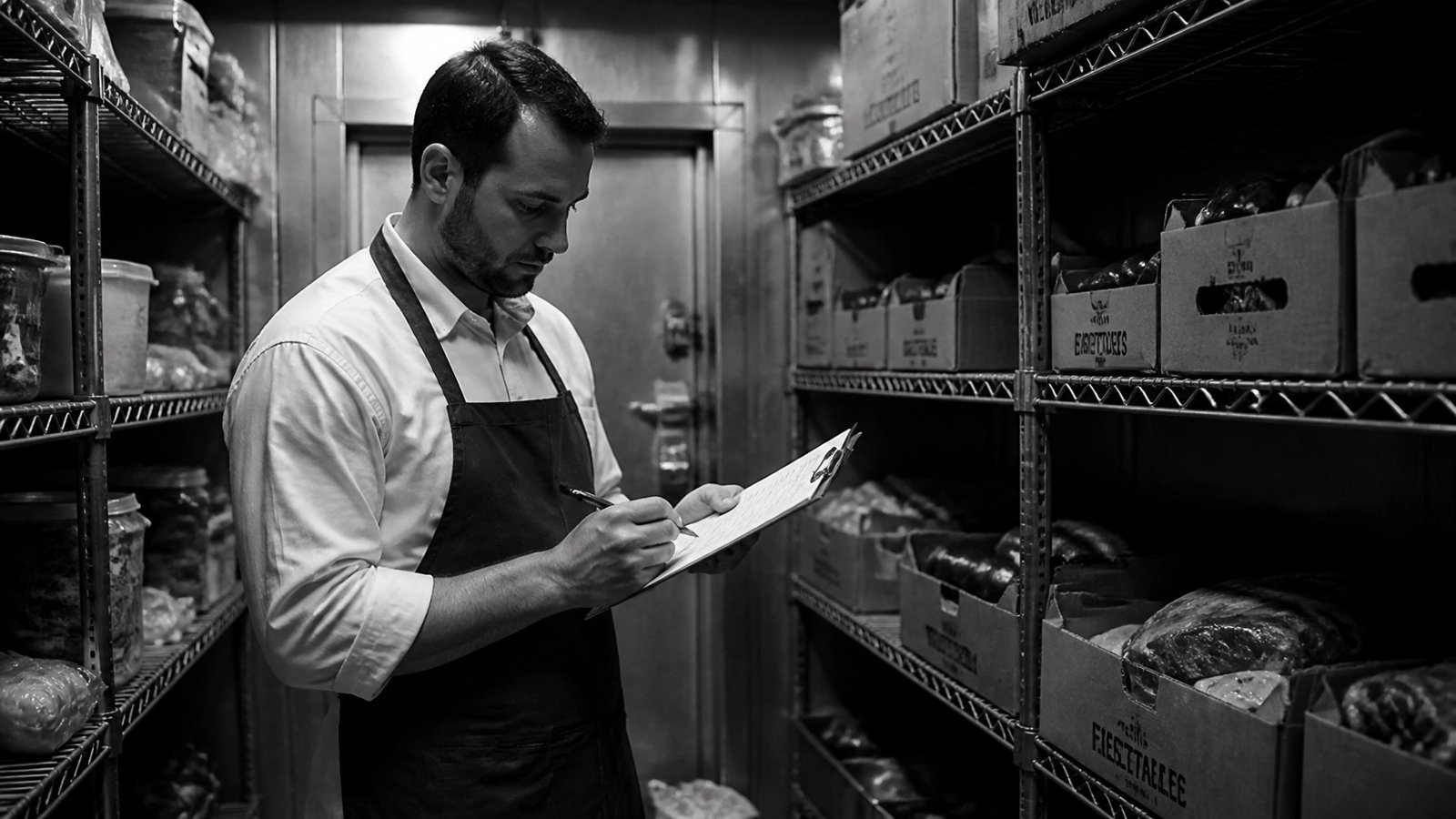
What I see in charity hospitality
- Mission pricing: prices kept low out of kindness, and losses nobody can explain to the board.
- Two costs in one pot: the café's running costs and the training programme's costs mixed together, so nobody knows which one is losing money.
- Volunteers without systems: generous people, a different rota every week, and standards that depend on who turns up.
- Grant cliffs: a business that works while the funding lasts, and has no plan for when it stops.
- A board that needs answers: a junta directiva or a patronato, and figures that do not give them any.
Mission and margin
A charity café works best when it keeps two sets of books in its head. One is the café, which has to stand on its own: prices, costs, and margins like any other business. The other is the mission, which is paid for on purpose: by grants, donations, and fundraising, and reported to funders as what it is.
When the two are separated, three things happen. The board can see that the café is well run. Funders can see exactly what their money buys. And the team stops feeling guilty about charging a fair price, because a fair price is what pays for the mission.
Miracle Brews
Petit Miracles is a charity in Shepherd's Bush, in London, that upcycles furniture and uses the profits to fund training and work for people who face barriers to employment. When its founding trustee launched Miracle Brews, a coffee cart staffed by people from the Petit Miracles community, it needed everything a London food business needs before it can trade: a risk assessment, a food safety plan, health and safety documents, operations manuals, and training materials. And they had to work for the people using them: the first barista is neurodivergent and dyslexic.
Where the council's requirements and the national food regulator's differed, I applied the stricter of the two, so one set of records satisfied both. I designed every document to be easy to use: larger type, more space between the lines, a grey background, no capital letters for emphasis, and pictures for the key processes. Every procedure is a set of numbered steps covering who, what, where, when, why, and how.
When the council's inspector visited, the barista handled the inspection on his own, answered every question, and showed the records. For once, he told me, he had been given something he could actually work with. Miracle Brews received the top food hygiene rating, which its founding trustee called "a major milestone for the project".
Frequently asked questions
Can a charity café cover its own costs, or will it always need subsidy?
The café can, and should aim to cover its own costs at least. The mission usually cannot: training, subsidised meals, and the extra staff time support needs are worth funding on purpose, through grants and fundraising. Keep the two in separate columns, so the board can see the café is well run and funders can see what their money buys. A café that needs subsidy just to open has a pricing or cost problem.
How do I write a business plan for a charity café that funders will support?
Show the café's own numbers at a realistic level of trade, through the winter as well as the summer, the cost of the mission separately, and what happens when the grant ends. Funders, from public bodies to bank foundations, want to see that the money will do what you say, and that the café will still be standing in three years. A Pre-Opening Diagnostic tests those numbers with you first.
How do I manage volunteers in a café?
Give them the same standards and training as paid staff, a clear rota they can see and sign up to, and a named person to answer to on every shift. In Spain, each volunteer should also have a written agreement and insurance. Volunteers stay when they feel part of something that works. Write every procedure as short, numbered steps, so the standard does not depend on who turns up that day.
Talk it through
A free 30-minute call will tell us both whether I can help, and where to start.