
Who I help · Restaurants
Help for independent restaurants, from someone who has worked the pass
Neighbourhood restaurants, chef-led kitchens, and busy family places, on the coast and inland. I have cooked on a Friday night, costed the menu on a Monday morning, and paid the wages at the end of the month.
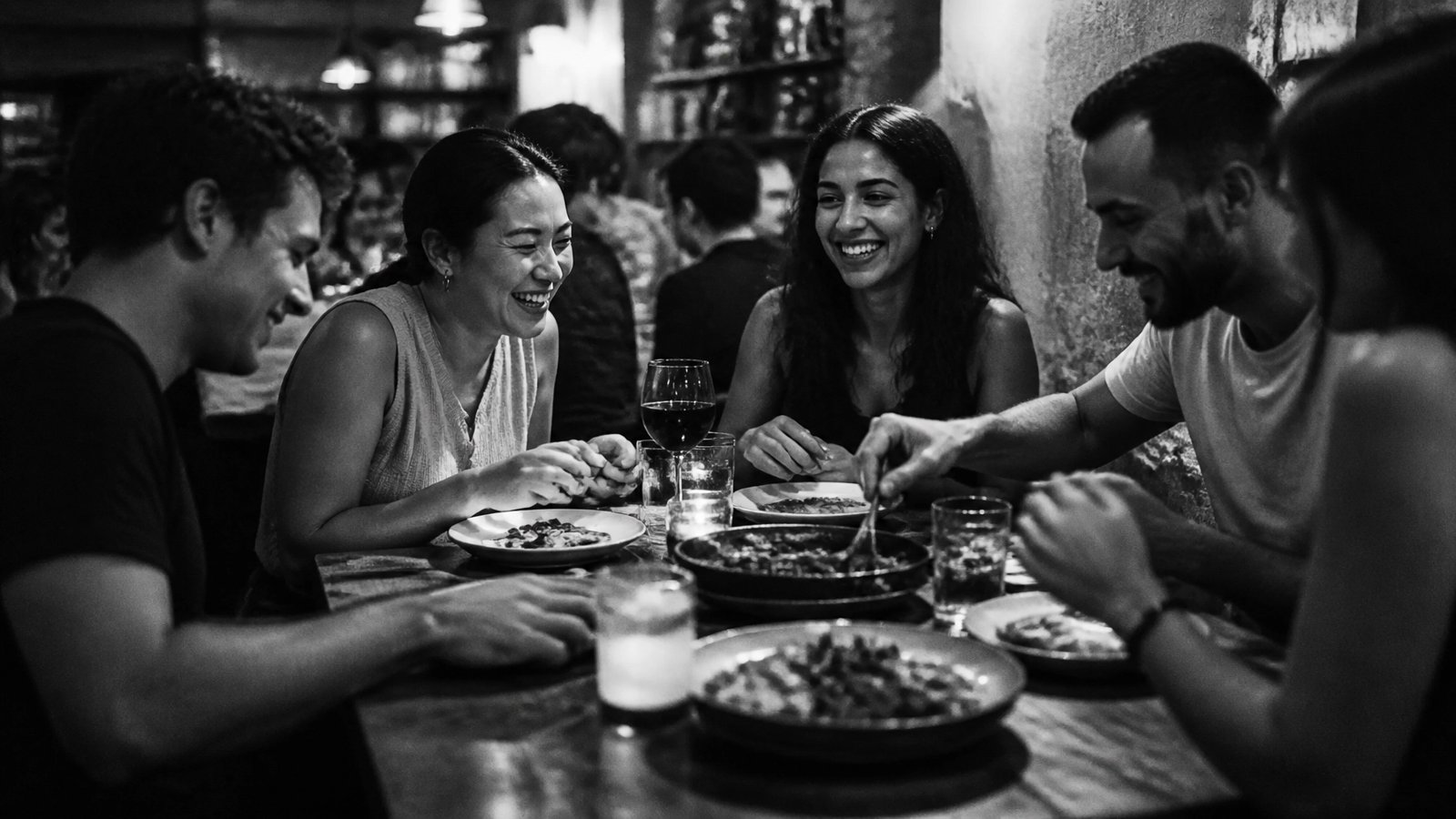
What does a restaurant consultant do, and is it worth it?
A restaurant consultant finds where the money is leaking and fixes what lets it leak: dishes that are priced on hope, labour that does not match covers, service that changes with whoever is on, and an owner doing too many jobs to see any of it. It is worth it when the leak costs more than the fee. If your food sales are €8,000 a week, two points of extra gross profit is €160 a week, or more than €8,000 a year. A Health Check costs €347.
Atelier Sawyer works with independent restaurants across Spain, from a single Health Check to month-by-month support.
What I see in restaurants
- Food cost creep: suppliers put prices up a little at a time, and the menu prices never followed.
- A menu that is too long: more dishes, more waste, more prep, and a kitchen that slows down when it matters.
- Chefs and seasonal teams: hard to find, harder to keep, and a kitchen that starts again every spring.
- The winter: August is full, and November to February cost more to open than they take.
- No-shows: a fully booked Saturday with empty tables at ten o'clock.
- Visitors and locals: a menu written for one, and a room that needs both.
- Front against back: two teams, one service, and friction at the pass.
- The owner on the pass: because the standard only holds when you are there.
How I help restaurants
| If you… | Start with |
|---|---|
| Know something is wrong but cannot see what | A Hospitality Health Check, €347 |
| Need help fixing it, month by month | Run, €595 a month |
| Are opening a restaurant | Plan, €365 a month, or a Pre-Opening Diagnostic, €497 |
| Are opening a second site, or running two or three | Grow, €1,195 a month |
| Have a good restaurant that too few people know about | Promote, €565 a month |
| Are fighting your till, your bookings, or your stock system | Digitise, from €2,345 |
| Need a website that takes bookings | Websites, from €1,800 |
Prices exclude IVA.
The kitchens I have worked
I have spent more than 30 years in restaurants, cafés, bars, pubs, and nightclubs, in London and on the Costa del Sol, and there is no role in a restaurant I have not done as my job, sometimes all of them in one day. I have worked Friday nights on the pass and run the Half Moon, a fine-dining pub in England with high labour costs and limited covers, where every plate had to earn its place. I have opened seven venues of my own and several more for the people I worked for.
Frequently asked questions
Should I put my prices up, or will I lose my regulars?
Usually, yes, if you do it with care. In my experience, regulars notice a sudden jump far more than small, regular rises. Hold prices on the dishes people compare, such as the menú del día or the house wine, and raise them on the ones they choose for the experience. Change the menu, not just the numbers: a new dish at a new price reads as value. Then watch covers for a month.
What is a good food cost percentage for a restaurant?
It depends on the kind of restaurant, and a percentage on its own can mislead. Use it at the cheaper end of the menu, and look at cash margin, the euros each dish leaves, at the top; that is what pays the bills. And remember that menu prices in Spain include IVA at 10%, so work out your percentage on the price before IVA. A Health Check shows you both for your own menu.
How do I reduce no-shows?
Take card details or a deposit for larger tables and busy nights, send a reminder the day before, in the guest's own language, make it easy to cancel, and keep a short waiting list. Most good booking systems do all of this; if yours does not, it may be the wrong system. And when a regular does not turn up, call them the next day; it is rarely malice.
What is menu engineering?
Menu engineering sorts every dish by two things: how often it sells, and how much cash it leaves. Popular dishes that earn well are your stars; protect them. Popular dishes that earn little need repricing before anything else. Dishes that earn well but rarely sell need a better place on the menu, or a better description. Only those that neither sell nor earn come off, unless they bring people in.
Talk it through
A free 30-minute call will tell us both whether I can help, and where to start.