
Who I help · Hotels and guest houses
Help with the food and drink side of small hotels
Boutique hotels on the coast, hostales in town, and casas rurales inland with a dining room. If your restaurant, bar, breakfast, or events are not paying their way, that is my trade.
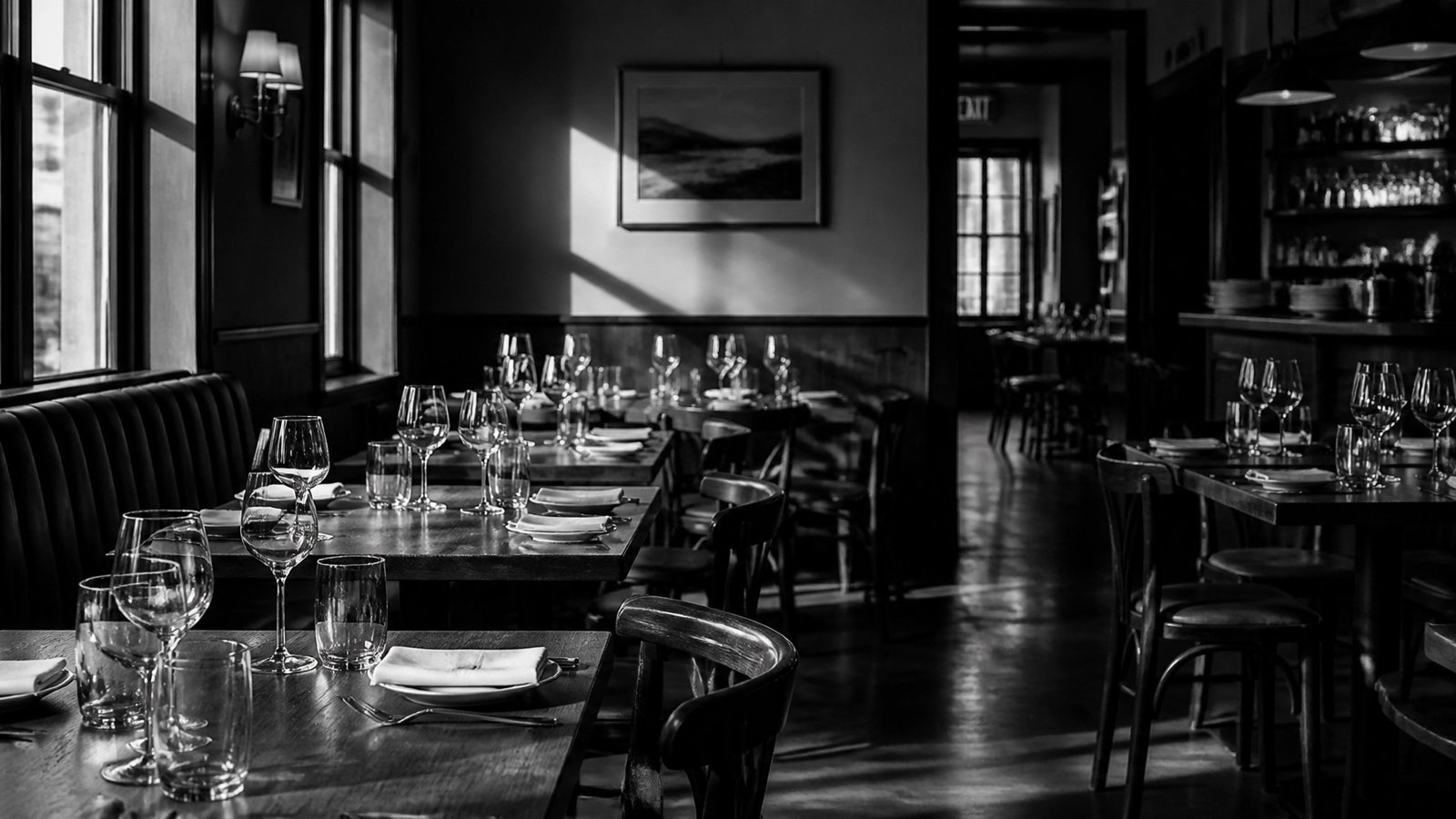
How can a small hotel in Spain make its food and drink pay?
Treat the restaurant and bar as businesses in their own right, not as amenities that come with the rooms. Cost every dish, keep the menu to what the kitchen can cook well for the covers you actually do, and staff to the real pattern of the day and the year: a busy breakfast, a quiet lunch, a dinner that depends on who is staying, and a winter that depends on who lives nearby. Win local guests who are not staying the night, price packages so the food and drink earns its share, and know what each event makes before you agree to it.
Atelier Sawyer works with small hotels, hostales, and casas rurales across Spain on their food and drink.
What I do, and what I do not
I have spent more than 30 years running restaurants, cafés, bars, pubs, and nightclubs, in London and on the Costa del Sol. I have run a hotel only once, for a week, as emergency cover while I was working for Mitchells & Butlers in England, so I will not pretend to be a hotelier.
What I bring to a hotel is everything that happens in its restaurant, bar, breakfast room, and event space: the menu, the margins, the team, the service, and the marketing. If your problem is room rates, occupancy, or how you sell rooms online, you need a hotel revenue specialist, and I will tell you so.
What I see in hotel restaurants and bars
- A dining room for residents only: full when the hotel is full, empty when it is not, and invisible to the town around it.
- Breakfast labour: a team rostered for a full house on a half-full morning.
- A menu built for a restaurant ten times the size: long, ambitious, and wasteful for twenty covers a night.
- A bar that only serves guests: a lovely room, or a rooftop, that locals have never heard of.
- Half board priced on guesswork: media pensión offers where nobody knows what the dinner actually costs.
- Events that look busy and earn little: weddings and parties priced to win the booking, not to make money.
- The winter: a hotel half full, or closed, and a kitchen team that has to be found again every spring.
- Chefs: hard to find, hard to keep, and harder still in a kitchen in the hills.
How I help hotels
| If you… | Start with |
|---|---|
| Know the food and drink is not paying, but cannot see why | A Hospitality Health Check, €347 |
| Need help fixing it, month by month | Run, €595 a month |
| Are opening or relaunching a restaurant or bar in your hotel | Plan, €365 a month, or a Pre-Opening Diagnostic, €497 |
| Want locals to know your restaurant and bar exist | Promote, €565 a month |
| Are fighting your till or your table bookings | Digitise, from €2,345 |
| Need a website for your restaurant, bar, and events | Websites, from €1,800 |
Prices exclude IVA.
Food and drink that earns its keep
The most underused asset in many small hotels is the dining room on a night when the hotel is quiet. Local guests do not need a room to eat in your restaurant or drink in your bar; they need a reason, and to know you are there. In Spain, they also need you to be open when they eat, which is later than your foreign guests.
A worked example: twenty extra local covers on a Friday night, at €30 a head, is €600 a night, or more than €31,000 a year from one evening a week. That is not a promise, but it shows why non-resident trade matters, and it matters most in the months when the rooms are quiet.
The rest is the same discipline as any restaurant: a menu sized to your real covers, every dish costed, cash margin at the top of the wine list, a team rostered to the actual pattern of the day and the season, and events priced to make money, not just to fill the diary.
Frequently asked questions
Our hotel restaurant loses money. Should we close it to non-residents?
Usually the opposite. A dining room that serves only residents is full when the hotel is full and empty when it is not, and the empty nights still need a chef. Opening to locals is what fills the quiet nights. If it still cannot earn its keep with them, consider a shorter menu, fewer evenings, or a strong breakfast and an arrangement with a good restaurant nearby.
How do I get local people to eat in my hotel restaurant?
Make it feel like a restaurant, not a hotel dining room: its own name or identity, its own entrance if you can, a menu people want to talk about, hours that suit the Spanish evening, and marketing aimed at the town rather than your residents. A website and a Google profile for the restaurant itself help locals find it, and a regular local night gives them a reason to come back.
Should our hotel restaurant close for the winter?
Sometimes, and it can be the right decision. If the hotel is quiet and locals will not fill the room, a closed restaurant costs less than an empty one. Decide it in the summer, not in November: tell guests when they book, keep breakfast and a short bar menu, and agree a place nearby to send them for dinner. Then reopen with a plan, and a team on fijo discontinuo contracts who can come back with you.
Can you help with room rates and occupancy?
No. That is the work of a hotel revenue specialist, and I will say so rather than guess. I work on everything to do with food and drink: the restaurant, the bar, breakfast, and events. If the food and drink is losing money, I can help with that. If the rooms are, I will point you to someone who knows rooms better than I do.
Talk it through
A free 30-minute call will tell us both whether I can help, and where to start. If what you need is a hotel specialist, I will tell you that too.