






How Much Money Do You Actually Need to Open a Restaurant and How Long Until You Run Out?

By Benjamin Sawyer

Most people who come to me in the planning stages of opening a restaurant, bar, or café have a number in their head, and it's wrong.

Not always wildly wrong. Not always catastrophically wrong. But wrong in the ways that matter most — and the ways it's wrong are almost always the same.

After thirty years in this industry, across six venues in two countries, I've seen the same three mistakes made again and again by intelligent, capable people who have done their research, written their business plan, and still found themselves running out of money before they've had a real chance. Not because they were reckless, but because nobody told them where the gaps were.

This article is an attempt to close those gaps.

The Three Blind Spots

1. Underestimating What It Costs to Open

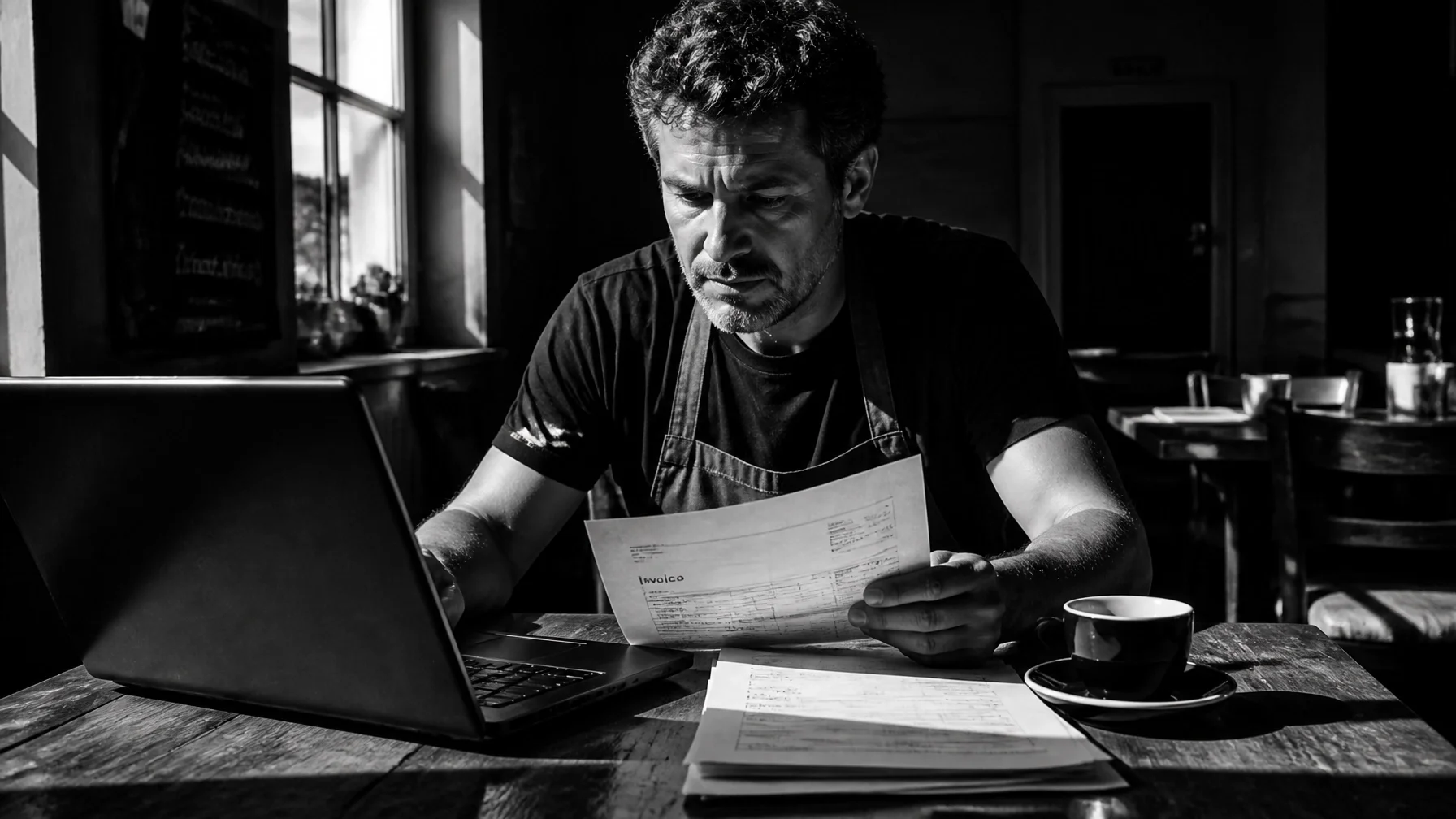
The headline number – the one you put in your business plan – is usually the fit-out. The kitchen equipment, the furniture, the signage, and the initial stock. That number feels real because you've had quotes. It feels solid. It's also the number that tends to be wrong from the moment you sign the lease.

Here's what typically doesn't make it into the first draft:

The premises themselves. Deposits – typically three to six months' rent – are due before you trade a single cover. Dilapidations clauses, the legal requirement to restore the premises to its original condition when you leave, can represent a significant liability that you'll need to account for from day one. Service charges on commercial properties are frequently underestimated, and in some cases they're not disclosed in full until you're committed.

Pre-opening staffing. You cannot open a restaurant, train a team, run trials, and fix the inevitable problems that emerge during testing with a skeleton crew of two. The cost of recruiting, training, and running a team through several weeks of soft launch and development before you take a penny from a real guest is substantial. It doesn't appear on many opening budgets. It should.

Licences, compliance, and professional fees. The premises licence, the food hygiene certification, the EPOS system, the accountant's setup fees, and the solicitor's review of your lease are individually modest but collectively meaningful. Most business plans contain a vague "miscellaneous" line. Most of the time, that line is too small by half.

The fit-out overrun. In twenty years of opening venues and working with clients opening theirs, I have never seen a fit-out come in on budget. Delays are structural. Tradespeople don't always show up when they say they will. Materials cost more than quoted. A problem behind a wall costs time and money that you didn't plan for. Budget a contingency of at least fifteen to twenty percent on your fit-out costs, and treat it not as a cushion but as a line item you expect to use.

Working capital. You need money in the bank before you open. Suppliers will ask for payment within thirty days. Wages are weekly or monthly. Your first few weeks of revenue, however strong, will not arrive in time to cover your first few rounds of costs. Also, if you are opening in Spain, you will be paying on delivery.

When you add it all up honestly, the true cost of opening is typically thirty to fifty percent higher than the figure that appears in the first version of the plan.

2. No Buffer for the First Six Months of Trading

This is the one that kills otherwise viable businesses.

You open. You have a fantastic first week, with the new venue energy, your friends and family, and the novelty of it all. Reviews start coming in. Trade feels promising. And then month two arrives, and the reality of what you're building starts to emerge: the quieter Tuesday lunches, the slower Mondays, the gap between what you projected and what you're actually taking.

Almost every hospitality business takes time to find its footing. Its name takes time to travel. Its regulars take time to form. Its rhythm, the word of mouth, the online presence, and the returning loyalty that make a venue feel established take months to build.

During that period, you will almost certainly be trading at a loss or at breakeven. Not because the business is failing, but because this is what the early phase of most hospitality businesses looks like.

The question is not whether this will happen; it's whether you've planned for it.

You should have a minimum of three months' operating costs held in reserve before you open; this is the minimum requirement. Six months is sensible. ‘Operating costs’ means all of it: rent, rates, wages, food and drink purchases, utilities, insurance, your loan repayments if you have them, and the cost of your own survival.

If you don't have that buffer, you are not adequately funded to open. You are funding the build, but not the business.

3. Confusing Turnover with Profit

This is perhaps the most common and most emotionally charged mistake, because it doesn't feel like a mistake at the time. It feels like success.

You've had a £10,000 week. That is a real number. You can see it in the till. It feels substantial. It feels like the business is working.

But here's the reality of hospitality margins. Your food and drink costs will account for between twenty-five and forty percent of that revenue, depending on your concept and how well you manage your purchasing. Your wage costs – including kitchen, front of house, and management – will account for another twenty-five to thirty-five percent. Rent, rates, and utilities will take another ten to fifteen percent. After paying your overheads, loan repayments, insurance, and other fixed costs, what's left is not the same as what you started with.

In a well-run, well-priced hospitality business, a net profit margin of ten to fifteen percent is a good outcome. In the real-world conditions of the first year, when you're still finding your speed and your wastage is higher than it will be, that margin is often lower.

The business that turns £10,000 in a week may be left with £500 to £1,000 after all costs are met. That is not a comfortable margin for anything to go wrong: a piece of equipment failing, a quiet bank holiday weekend, a supplier problem, an unexpected cost.

Understanding this before you open and building your projections around what you will actually net, rather than what you will turn over, is one of the most important things you can do. Most business plans I see are built on turnover targets. The ones that lead to sustainable businesses are built on profit targets and work backwards from there.

What to Actually Do

None of this is written to discourage you. It's written to prepare you, which is a different thing entirely.

The operators who navigate the early years successfully are not the ones who had the most money. They are the ones who understood their numbers before they committed to anything and who made decisions in light of that understanding rather than in spite of it.

Here is a practical framework for thinking about capital before you open:

Build your true opening costs from first principles. Get real quotes for every line item. Add a contingency of fifteen to twenty percent. Include the lease deposit, pre-opening staffing, professional fees, and your initial working capital.

Model your P&L before you project your revenue. Start with your expected costs, both fixed and variable, and work out what turnover you need to break even. Then ask yourself, honestly, how long it will realistically take you to reach that figure consistently.

Hold a minimum of three months' operating costs in reserve. Six is better. Do not use this money for the fit-out. It exists for one reason: to keep the business alive while it finds its feet.

Know the difference between a cash flow problem and a structural problem. Many hospitality businesses that close in their first year were not fundamentally unviable. They ran out of cash before they had the chance to find out. You can manage a cash flow problem if you see it coming. A structural problem – wrong concept, wrong location, wrong pricing – needs to be identified before you commit, not after.

Get proper advice. Not from someone who tells you what they think you want to hear. You need someone who will look at your numbers honestly and tell you where the exposure is before it becomes a crisis.

A Final Note

I lost a business not to a trading failure but to a lease clause I hadn't fully understood at twenty-six. The lesson I took from it was not simply to "read your leases". It was this: the thing that costs you most in hospitality is usually not the dramatic mistake. It's the quiet assumption, the number you didn't question, the cost you didn't model, and the buffer you thought you didn't need.

The work of understanding your capital position before you open is not glamorous. It's not the part of the journey most people want to spend time on. But it is the part that determines whether the rest of the journey happens at all.

If you're in the planning stages and you're not yet certain you have a clear picture of what this actually costs and how long your money will last, that's a good place to start.

Atelier Sawyer works with independent restaurants, bars, and cafés at every stage — from early-stage concept through to strategic expansion. If you're planning to open and want to stress-test your numbers before you commit, book a free consultation or start with our Hospitality Health Check.

Previous
Previous

Your Team Isn't the Problem

Next
Next

How to Open a Bar, Restaurant, or Café in Málaga and the Costa del Sol