
The Sun Inn: What a Turnaround Actually Looks Like (and What it Costs)
There is a particular kind of confidence that only belongs to a twenty-six-year-old with a few thousand pounds in the bank and a romanticised notion of what it means to run a pub. It is a dangerous, intoxicating thing; it is the fuel that drives many of our best ideas and, occasionally, our most spectacular failures. When I took the keys to The Sun Inn in Bethnal Green, I was exactly that person. I saw a neglected corner plot in East London and imagined a bustling sanctuary of craft ale and refined hospitality; the reality, however, was a business that had chewed through seventeen different tenants in the previous two years.
The building itself seemed to have a memory of disappointment. It was tired, smelling of stale tobacco and the kind of desperation that clings to the walls of a venue that has lost its way. Most people would have looked at the turnover of tenants and seen a warning; I looked at it and saw an opportunity to prove everyone wrong. This is the story of how that pub went from a £10,000-a-year liability to a million-pound-turnover success, and the brutal, legal lesson that eventually took it all away.
The Weight of the Silence
The first thing I had to do was the hardest. A pub is a reflection of the people who inhabit it, and the crowd at The Sun Inn when I arrived was not the crowd that was going to build a sustainable future. They were, to put it frankly, the wrong people. They were the ones who kept the doors open but the windows closed; the ones whose presence ensured that nobody else felt comfortable enough to walk through the door.
I began the process of banning them. It was not a grand, dramatic gesture, but a series of quiet, firm conversations at the end of the bar. One by one, the troublemakers and the layabouts were told they were no longer welcome. The result was immediate and terrifying: silence.
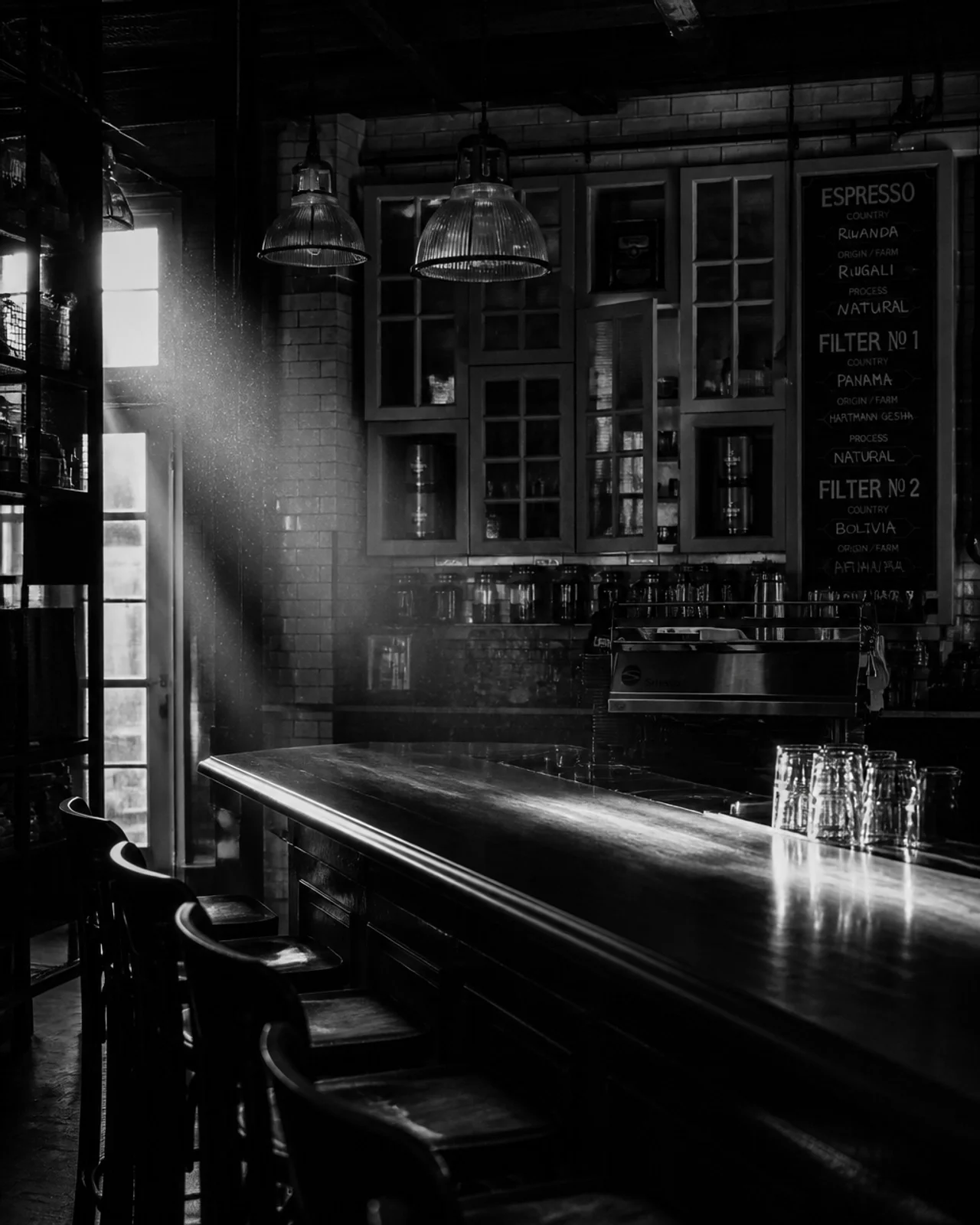
For weeks, I sat in an empty pub. The silence of a failing business is a heavy, physical thing that settles in your chest and refuses to leave. You second-guess every decision; you wonder if the "wrong crowd" was better than no crowd at all. In those moments, the temptation to lower your standards and let the old ways creep back in is almost overwhelming. But hospitality is a game of holding your nerve. I knew that if I wanted a different kind of guest, I had to create a space where they felt they belonged, even if they hadn't found us yet.
The Walk Across the Street
Success in this industry is rarely about waiting for the phone to ring or the door to swing open. It requires a certain level of physical persistence. Directly across the street from the pub was a design firm, a hive of young, creative professionals who spent their days working behind glass windows and their evenings, apparently, going anywhere but my pub.
I grew tired of watching them through the window. One afternoon, I walked across the road, entered their office, and introduced myself. I didn't offer a discount or a flyer; I simply told them I had taken over the pub, I was trying to do something special, and I would love for them to come over for a drink. I was a local business owner looking for local neighbours.

They came. Not all at once, but three of them arrived that evening. They liked what they saw, they liked the silence that was now a peaceful atmosphere rather than a void, and they came back the next day with five more. That small, physical act of bridge-building was the spark. It reminded me that we are not just selling drinks; we are selling a place in the community. You have to earn that place, often one person at a time.
The Compound Effect of the Small
Once we had people in the building, the focus shifted from survival to craft. Many operators look for the "silver bullet": a massive marketing campaign or a celebrity chef: to fix their problems. In reality, turnarounds are built on the compound effect of a thousand tiny, correct decisions.
We moved to full table service, which was a rarity for a Bethnal Green pub at the time. It changed the entire pace of the evening; it transformed the act of ordering a drink from a transaction at a sticky counter into a moment of genuine guest interaction. We curated a selection of niche, artisanal drinks that people couldn't find in the corporate chains nearby. We introduced elegant antipasti and sharing boards that required no kitchen but demanded high-quality sourcing.
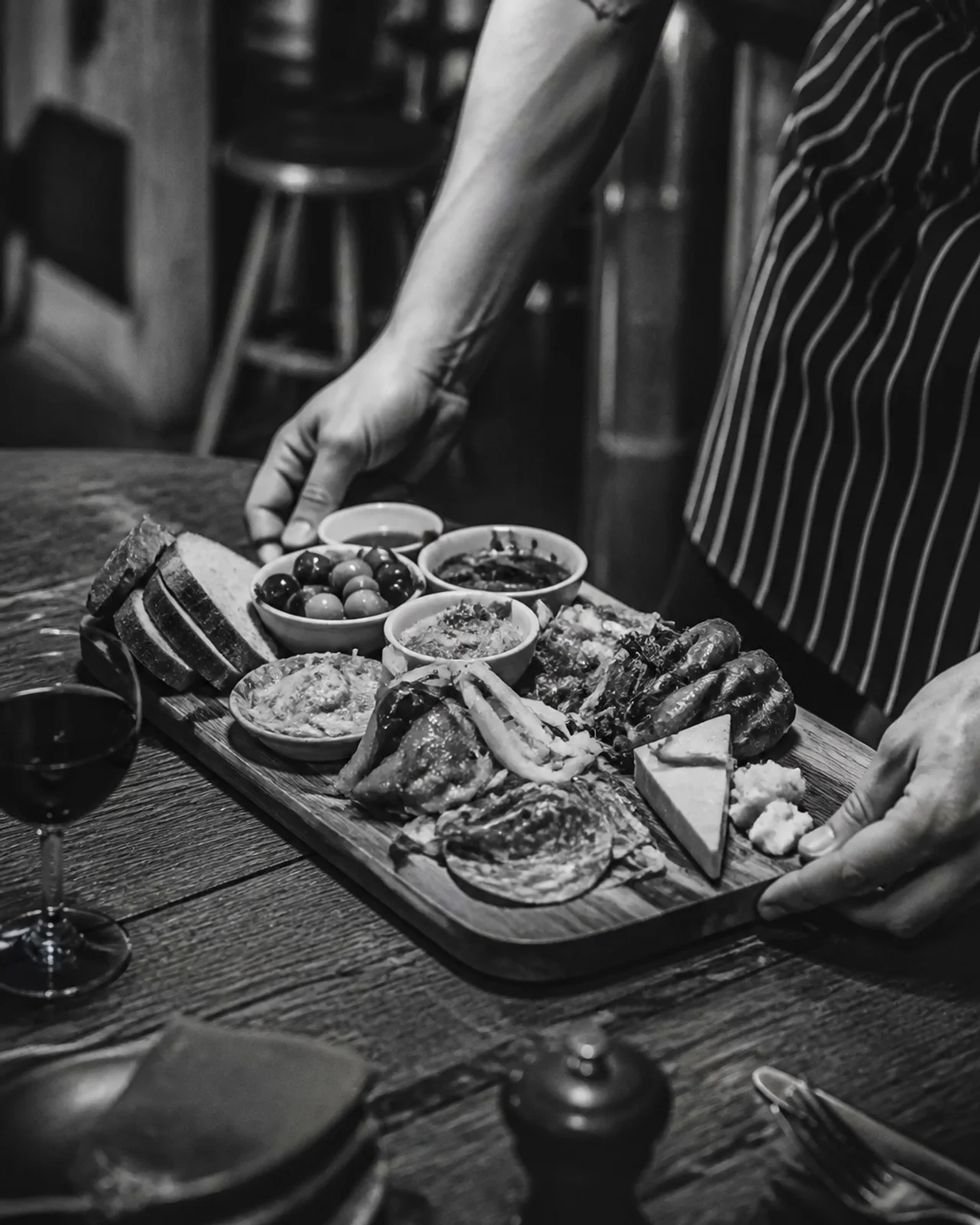
The team began to take pride in their craft. We didn't just pour beer; we talked about the hops. We didn't just place a glass on a table; we ensured the coaster was perfectly aligned. These details might seem trivial when you are worried about how much money you actually need to open a restaurant, but they are the bedrock of brand loyalty. Within thirty months, we had transformed the venue. The turnover climbed from £10,000 to nearly £800,000, and we eventually crossed the million-pound mark. We had built something remarkable from the ashes of seventeen failures.
The Trap Under the Table
In the midst of this success, I felt invincible. We were the toast of the neighborhood, our margins were healthy, and the team was a well-oiled machine. But I had neglected the one thing that can undo even the most successful hospitality business: the paperwork.
When you take on a lease in the UK, you are often entering a complex dance with the Landlord and Tenant Act 1954. This legislation generally provides "security of tenure," meaning you have a right to renew your lease when it expires. However, many commercial landlords require you to "contract out" of this Act, which I had done in my youthful haste to get the keys.

As the lease neared its end, the landlord saw the incredible value I had built. They didn't want the pub; they wanted the building back so they could redevelop it, or perhaps they simply wanted a tenant who would pay a vastly inflated "market rent" based on the success I had created. Because I was outside the protection of the Act, I had no legal right to stay. I had built a million-pound business on a foundation of sand.
Despite the turnover, despite the awards, and despite the blood, sweat, and tears of a three-year turnaround, I was forced to walk away with nothing. The business ceased to exist because the lease ended, and I had no leverage to save it. It is a brutal lesson that I now share with every client I work with: you must protect the asset as fiercely as you protect the guest experience.
The Final Note
A turnaround is not a single event; it is a philosophy of relentless improvement and defensive planning. You can fix the team, you can fix the menu, and you can fix the crowd; however, if you do not fix the structural risks of your business, you are merely a caretaker for someone else's eventual windfall.
Success in hospitality requires us to be both the romantic dreamer at the bar and the cold-eyed realist in the back office. We must care deeply about the texture of the sourdough and the temperature of the wine, but we must care even more about the clauses in our lease and the health of our autónomo or company structure. At Atelier Sawyer, we look at your team and your operations with empathy, but we look at your contracts with a "de-romanticizing" lens. We build businesses to last, not just to shine brightly before they are snuffed out by a legal technicality.
Evolution, not revolution, is the path to growth; but that evolution must include your legal and financial security as much as your guest experience.