
The Spanish Dream: A Practical Guide to Opening in Málaga and the Costa del Sol

The allure of the Mediterranean is a powerful thing. It starts with a holiday, a particularly excellent glass of Rioja, or perhaps the way the light hits the white-washed walls of a mountain village. For many, that holiday feeling eventually crystallises into a question: why couldn't I do this for a living?
Opening a restaurant or a café in Málaga or along the Costa del Sol is a romantic ambition, but the reality of Spanish hospitality is built on a foundation of rigorous bureaucracy and specific local rhythms. I have spent decades navigating these waters, and if there is one thing I have learned, it is that the "Spanish Dream" requires a very practical set of keys to unlock. It is not a revolution of the local scene; it is an evolution of your vision to fit the reality on the ground.
The Dance of the Traspaso
When you begin your search for a venue, you will inevitably encounter the traspaso. In the United Kingdom, we might call this a leasehold sale, but in Spain, it is a more nuanced transaction. You are not just renting a space; you are buying the right to continue a business, its licences, its furniture, and its goodwill.
The traspaso is the most common way to enter the market, yet it is where most newcomers stumble. There is a specific administrative dance involved here. In Málaga capital, for instance, a crucial rule exists: if a venue has been closed for more than six months, the existing licencia de apertura (opening licence) may effectively expire. You might believe you are buying a turnkey operation, only to find that you must apply for a brand-new licence as if the building were a shell. This is a costly and time-consuming surprise that can be avoided with the right due diligence.
Your Essential Cast: The Abogado and the Gestor
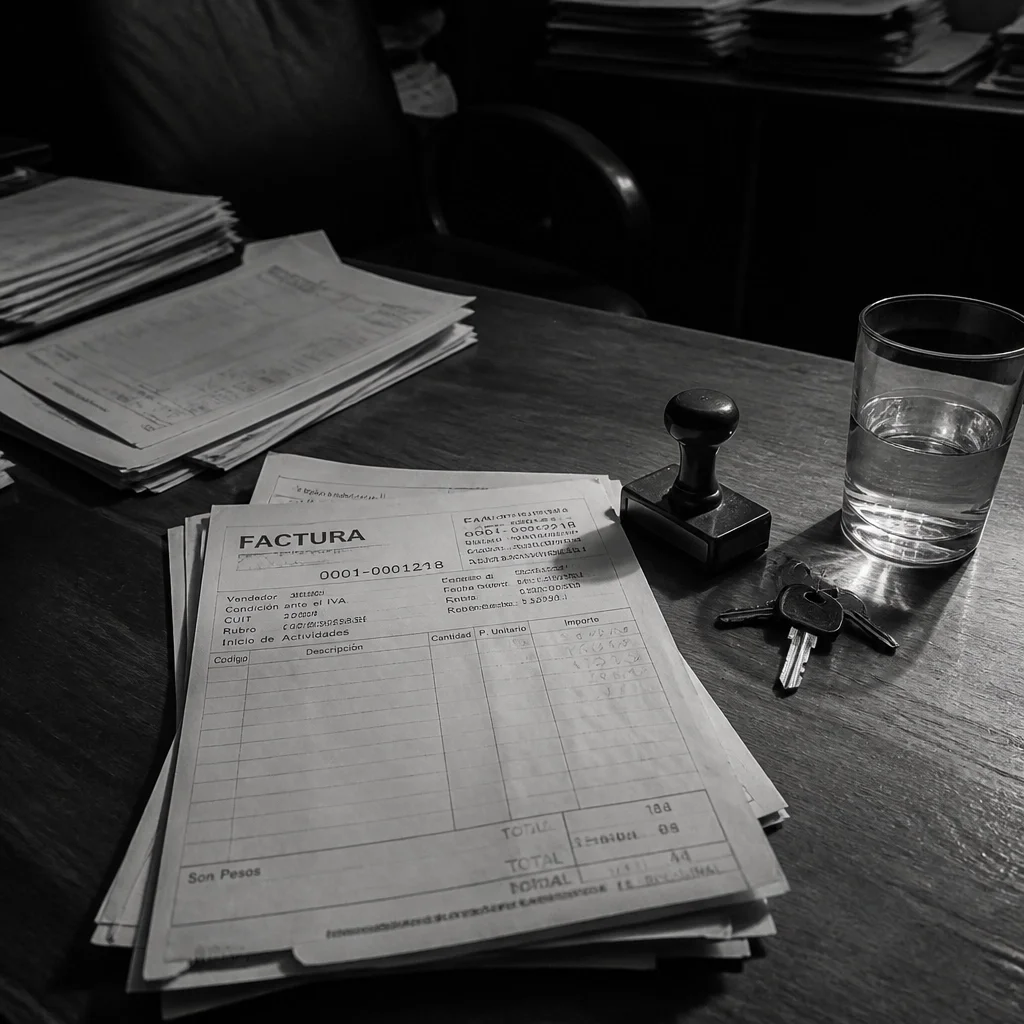
You cannot, and should not, attempt to navigate this alone. Your two most important allies will be your abogado (lawyer) and your gestor. In Spain, a gestor is a uniquely Spanish figure; they are the bridge between you and the mountainous bureaucracy of the state. They will handle your autónomo (self-employed) registration, your quarterly IVA (VAT) returns, and the complex filing of your factura (invoice) records.
A good abogado will ensure that the traspaso contract actually protects you, verifying that the previous tenant has no outstanding debts or "hidden" social security liabilities. In this industry, I have seen many enthusiastic entrepreneurs inherit the sins of the previous owner simply because they didn't want to "waste money" on a lawyer. In truth, a good lawyer is the most profitable investment you will make before you even buy a single coffee bean.
The Tale of Two Coastlines: Urban Pulse versus Seasonal Cliff
One of the most frequent errors I see is a failure to understand geography. Málaga city and the coastal towns of the Costa del Sol operate on entirely different engines.
Málaga city is a year-round urban centre. It has a pulse that beats consistently through January and July alike. It is driven by local residents, office workers, and a growing year-round tourism sector. If you open here, your Plan must account for a steady, predictable flow.
However, move twenty minutes west to the towns of Benalmádena or Fuengirola, and you encounter the "seasonal cliff". The summer months are a frantic, high-octane sprint where you will make the bulk of your annual revenue. Then, come November, the streets quieten significantly. Many owners find themselves unprepared for the silence. They fail to Run their cash flow with the winter in mind, spending the summer's bounty as if it will never end.
The Feria Trap
There is also the matter of the local festivities. Take the Feria de Málaga in August, for example. You might assume that a city-wide party is good for every business. In reality, the Feria creates a vacuum. The crowds migrate to specific hubs, leaving businesses on the periphery completely empty for a week. Understanding these hyper-local movements is the difference between a profitable month and a confusing one.
Building the Foundation: Compliance and Continuity
Once you have secured your venue and your team, the focus shifts to the daily reality of Spanish compliance. Every factura must be perfect; every employee must be correctly registered on their contrato; and every health and safety standard must be met.
The Spanish authorities are not looking to be your enemy, but they do demand respect for the process. This is where your gestor becomes your right-hand person. They ensure that your taxes are paid correctly and that your business remains a "good citizen" in the eyes of the Hacienda.
I often tell my clients that they should focus on Growing their business only once the foundation is solid. It is tempting to spend your budget on expensive interior design, but if your licencia isn't in order, that beautiful velvet sofa is just an expensive liability. We have previously discussed the common pitfalls of opening on the coast, and almost all of them stem from a lack of respect for the administrative timeline.
A Note on Budgeting
How much do you actually need? It is a question I hear often. While I have detailed the costs of opening elsewhere, for Spain, you must always add a "patience tax". This is a reserve of capital to cover your living expenses while you wait for the paperwork to clear. In Málaga, the "administrative dance" can take anywhere from three months to a year, depending on the complexity of your venue.
The Path Forward
Opening a business here is an act of bravery and, when done correctly, it is immensely rewarding. The goal is to move beyond the "expat bubble" and create a venue that serves both the transient tourist and the loyal local.
Start with a clear head; hire the right professionals; and respect the local rhythms of the sun and the bureaucracy. Success in the South of Spain is not about being the loudest or the trendiest; it is about being the most prepared.
A Broader Principle
The most successful hospitality businesses are those that treat the local culture as a partner rather than an obstacle. When you stop fighting the "mañana" stereotype and start working within the actual systems of the gestor and the ayuntamiento, you will find that the Spanish Dream is not only possible, it is sustainable.