
The Independent’s Guide to the "Liquid Revolution": How to Build a High-Margin Beverage Programme
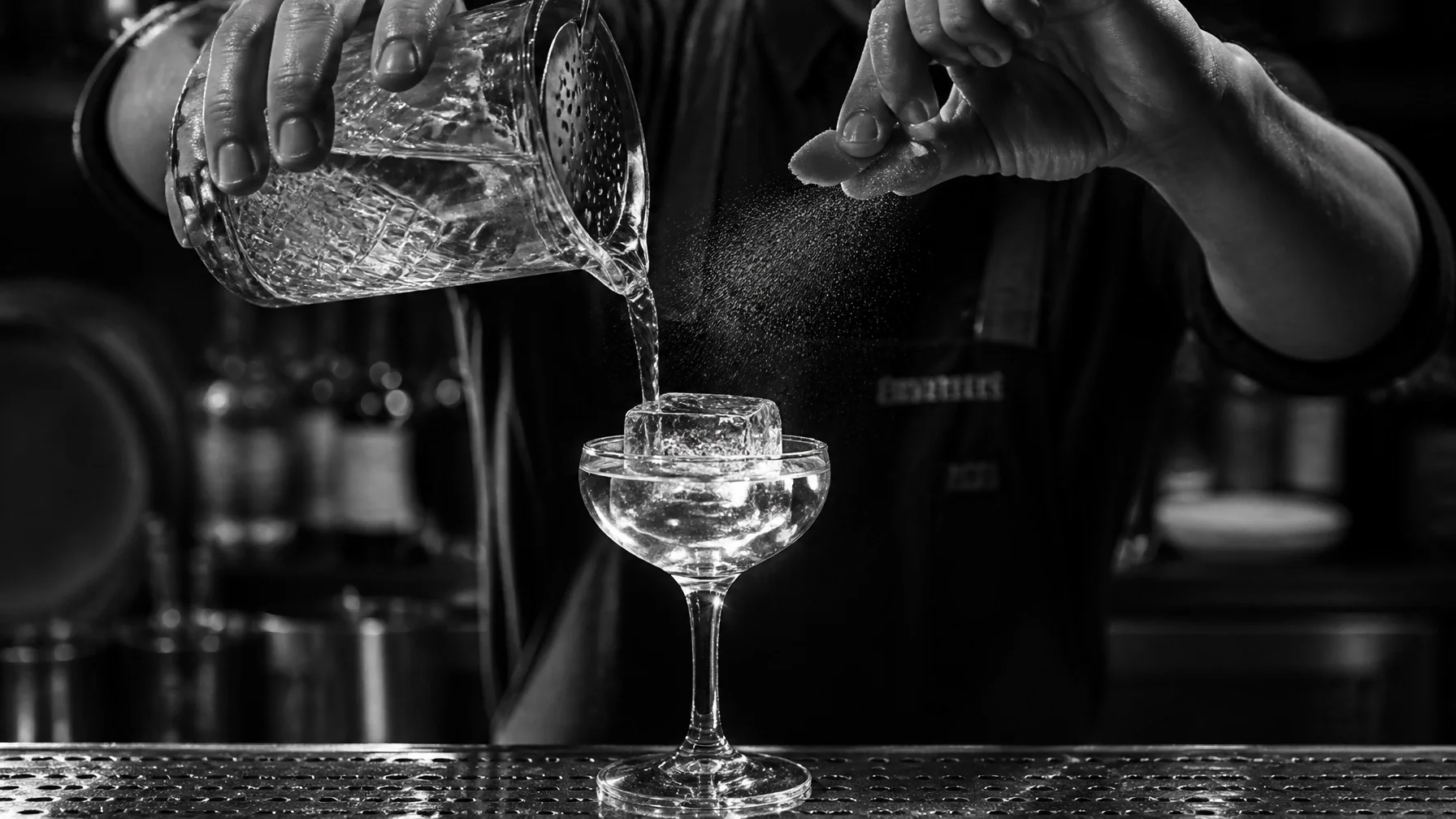
In the romanticised world of hospitality, we often find ourselves captivated by the kitchen. We focus on the precision of the line, the provenance of the beef, and the delicate balance of a sauce. Yet, as any veteran operator will tell you after a long Sunday service, the kitchen is often where the stress lives, while the bar is where the profit hides. If you are looking for how to increase restaurant profit, you must stop viewing your drinks list as a secondary companion to your food. You must begin to treat it as a primary engine of growth.
The "Liquid Revolution" is not about following fleeting trends or stocking every artisanal spirit that crosses your threshold. It is a fundamental shift in how we structure our businesses to favour high-margin, low-labour products that enhance the guest experience. It is a logical, pragmatic approach to building a beverage programme that works as hard as you do.
The Mathematics of the Menu: Engineering Your Liquid Assets
Every drink on your list must justify its existence on the page. We often see operators who choose their wine or cocktail list based on personal preference or a desire to appear "on-trend", but a successful hospitality marketing strategy begins with the data.
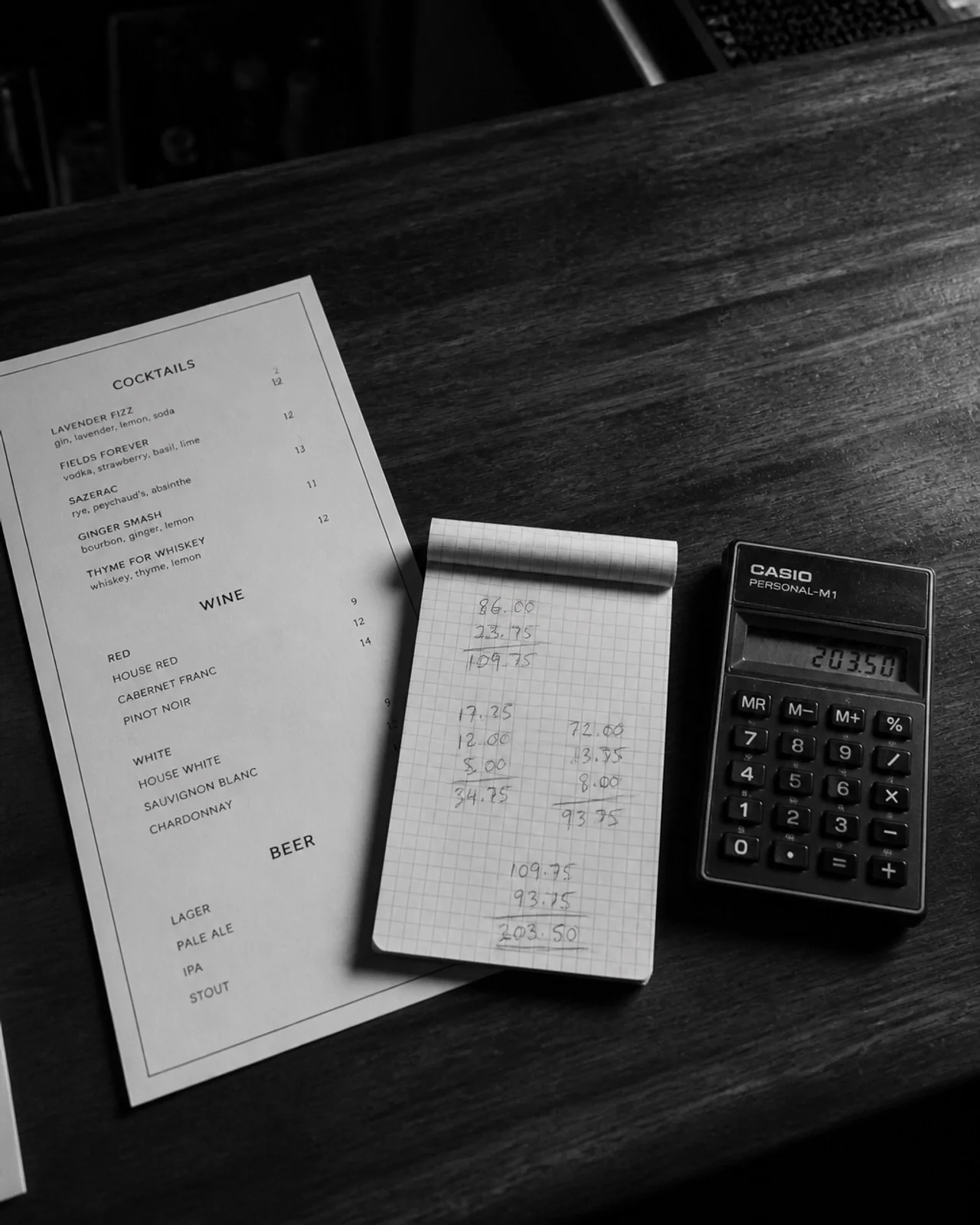
To truly understand your profitability, you must apply the principles of menu engineering. This involves categorising your offerings into four distinct quadrants:
Stars: These are your high-profit, high-popularity items. They are the backbone of your bar. They should be featured prominently, and your staff should be trained to offer them as a first suggestion.
Plowhorses: These drinks are popular but have lower margins. Often, these are the "house" spirits or well-known classics. The goal here is not to remove them but to optimise their cost. Perhaps you can negotiate a better price on the invoice or factura from your supplier or slightly adjust the recipe to improve the margin without compromising quality.
Puzzles: These are high-margin drinks that simply aren't selling. This is often a failure of communication rather than a failure of the product. Does the description sound appealing? Is it placed in a "dead zone" on the menu? Sometimes, a simple name change or a better description is all that is required to turn a Puzzle into a Star.
Dogs: These are low-profit and low-popularity. They clutter your inventory and tie up your capital. Be ruthless; if a drink isn't performing, remove it.
By regularly auditing your sales data, you ensure that every square inch of your menu is working to maximise your contribution margin. This isn't just about the price of the liquid; it's about the total cost, including the garnish, the ice, and even the tax.
One of the greatest drains on a beverage programme is inconsistency. If a guest receives a perfect Negroni on Tuesday but a mediocre one on Friday, you have failed the guest experience. More importantly, you have likely wasted product and labour.
Consistency is not merely a matter of training; it is a matter of operational structure. This is where pre-batching becomes a vital tool for the independent operator. By preparing the spirit-forward components of your cocktails in advance, you achieve three things:
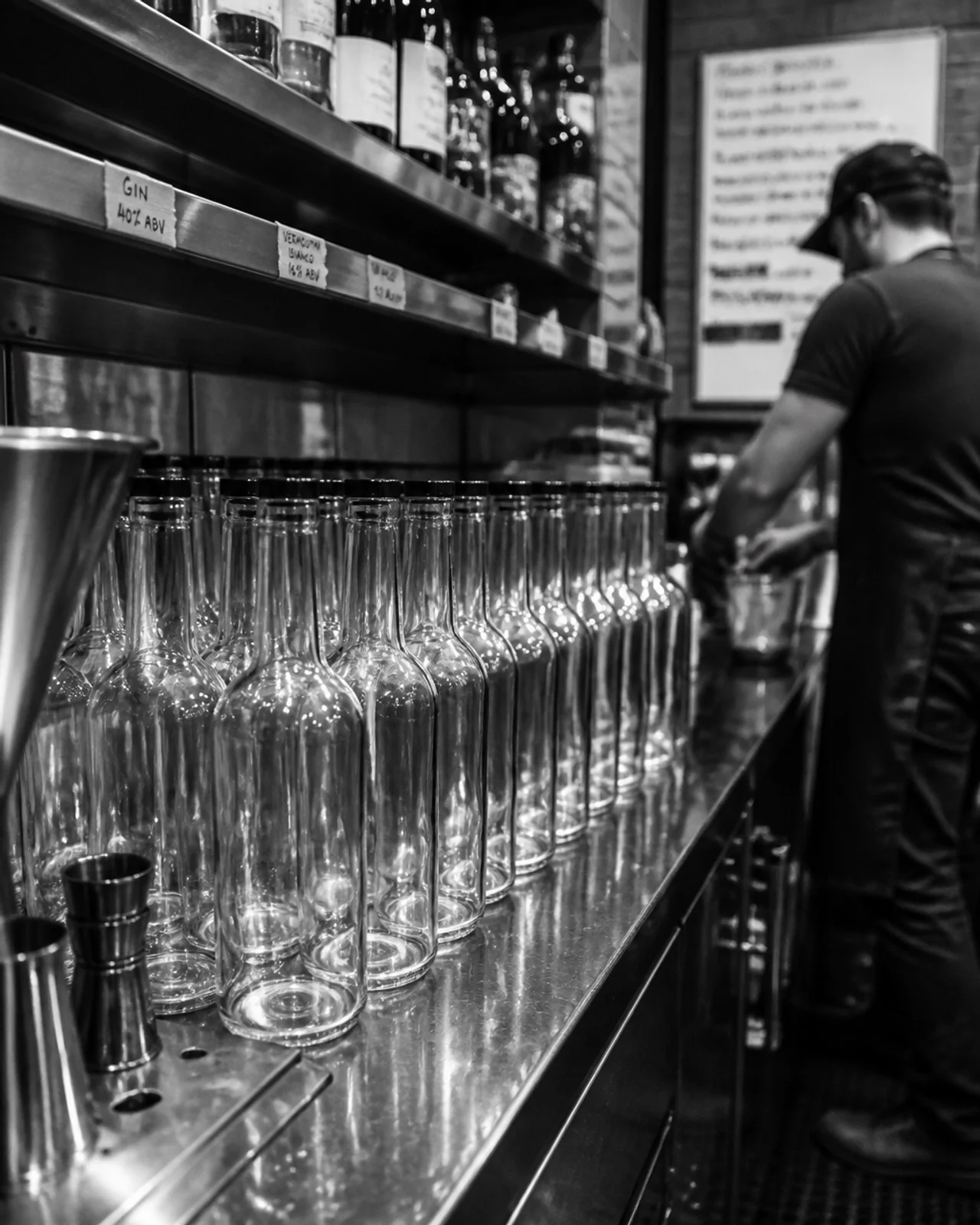
First, you guarantee that every drink is identical, regardless of which bartender is behind the stick. Second, you significantly increase the speed of service. In a busy venue, every second saved on a pour is a second gained in potential sales. Third, you reduce the margin for error and waste. When a bartender is "free-pouring" under pressure, the cost per serve can fluctuate wildly.
Pre-batching should be seen as an act of hospitality, not a shortcut. It allows your team to spend less time looking at a jigger and more time looking at the guest. It is a practical application of hospitality consulting wisdom: simplify the process to elevate the result.
The Psychology of the Choice: Designing the Guest Experience
The layout of your menu is a silent salesperson. Guests do not read menus like books; they scan them. Their eyes typically travel to the top right corner first, then the top left, and finally the centre: the "Golden Triangle" of menu design.
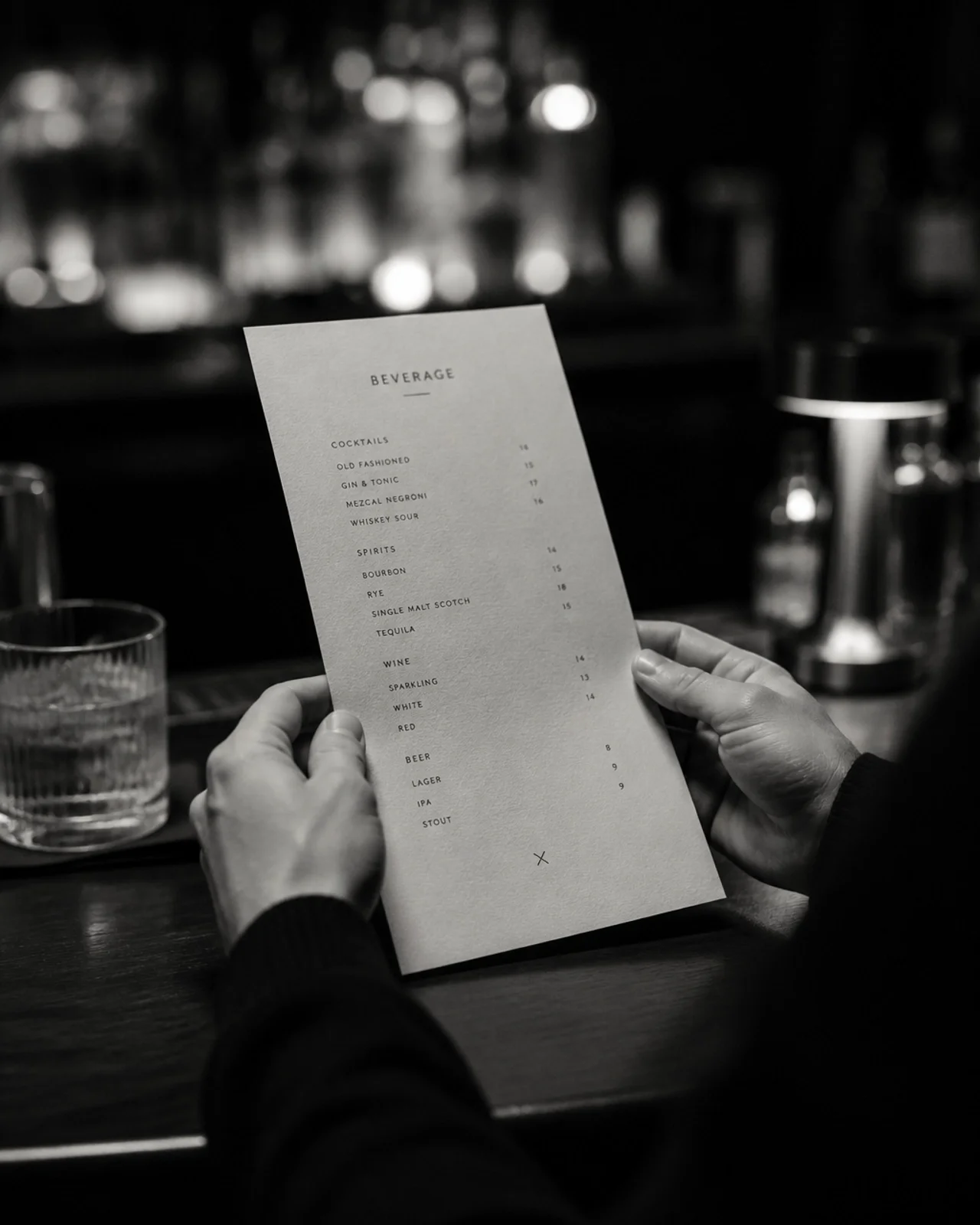
To guide your guests toward your "Stars," you must use this visual hierarchy. Avoid listing prices in a vertical column, as this encourages "price-shopping" where the guest simply looks for the cheapest option. Instead, nestle the price at the end of the description in the same font.The language you use is equally important. Instead of simply listing the ingredients (e.g., "Gin, Vermouth, Bitters"), describe the experience of the drink. Words like "crisp," "botanical," or "velvety" create a sensory expectation that justifies a premium price. You are not selling a list of liquids; you are selling a moment of relaxation or celebration. Furthermore, do not neglect your non-alcoholic and low-ABV offerings. The modern guest is increasingly mindful of their consumption, and the margin on a well-crafted, house-made soda or a botanical "mocktail" can be exceptional. When you apply the same level of restaurant concept development to your non-alcoholic programme as you do to your wine list, you tap into a demographic that is often overlooked and underserved.
The Human Element: Training for Evolution
All the engineering and design in the world will mean little if your team is not empowered to execute it. Training should not be a one-off event; it should be a continuous process of evolution.
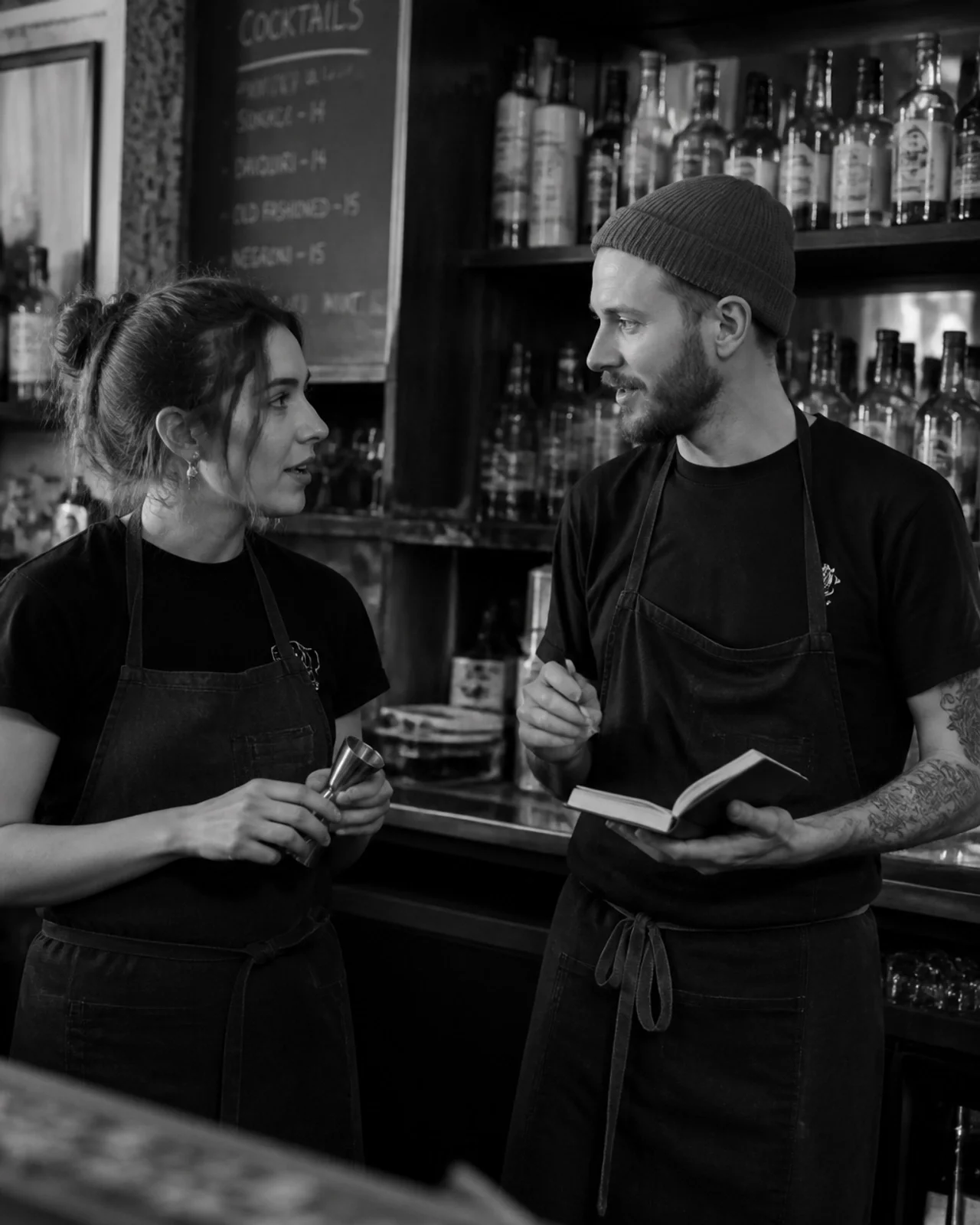
Your staff should understand the "why" behind the "How". When they know that a certain cocktail is a "Star", they understand why it is featured. When they see the logic of the pre-batching system, they are more likely to maintain its integrity.
Encourage your team to be observant. If they notice that guests are consistently leaving half of a certain garnish in the glass, that is a sign of waste that can be addressed. If they hear guests asking for a style of drink that isn't on the menu, that is valuable market research.
At Atelier Sawyer, we believe that the most successful hospitality businesses are those where the owner and the team are in a constant state of collaborative refinement. It is about building a culture of accountability and pride, where everyone understands that the health of the business and their own job security, as the operator or employee, depends on these small, incremental gains.
A Final Note on the Liquid Philosophy
A high-margin beverage programme is not built on a single clever idea or a flashy piece of equipment. It is built on the disciplined application of logic, the careful management of costs, and a deep respect for the guest’s time and money.
By de-romanticising the bar and viewing it through the lens of engineering and psychology, you can create a programme that is not only profitable but also sustainable. It allows you to step away from the daily grind of survival and begin to focus on the long-term growth of your business.
The goal is to move from a state of constant reaction to a state of deliberate action. When your beverage programme is structured correctly, it becomes a silent partner that supports your vision and fuels your success. It is a quiet, powerful evolution that turns a simple bar into a sophisticated engine of hospitality.