
The Independent’s Guide to Restaurant Operations Management: How to Stop Being the Only One Who Can Run the Shift
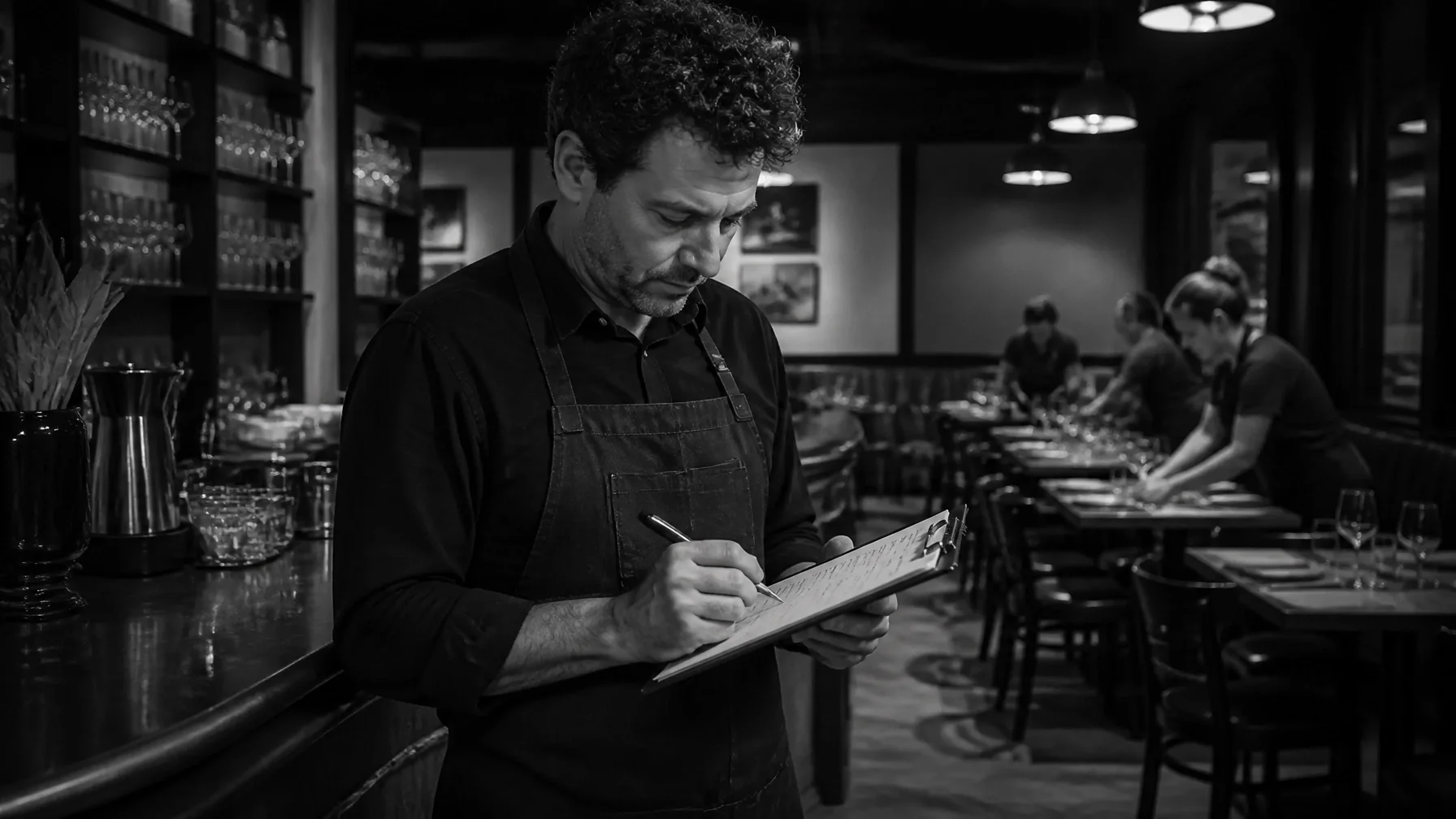
Most owners get this wrong, not because they are careless, but because they care too much.
I have spent more than thirty years in hospitality. I have opened six venues, closed a few, and worked alongside dozens more. I know what it feels like when the business is your life. Of course you feel you need to be there. Of course you step in. You built the place, you know every corner of it, and you can spot a problem before anyone else even sees it.
That instinct is natural. It is not a character flaw, and it is not a failure.
But it does create a problem over time. If the whole shift still depends on you, the business stays fragile. You cannot rest properly, your team cannot grow properly, and the venue never quite learns to stand on its own. What you need is not less care. You need better structure.
Over the years, I have helped owners make that shift carefully and practically, and I have seen the same pattern again and again. The goal is not to disappear overnight. The goal is to build the kind of operation that can run well without needing you in the middle of every single decision.
Start by Seeing the Business as It Really Is
Before you change anything, find out what is really happening.
Many owners work from instinct. I understand why. In hospitality, you are making decisions all day, every day, and often at speed. But if you want restaurant operations management to become something sturdier than instinct, you need a proper picture of what is working, what is weak, and what is quietly draining time or money.
A simple operational review helps here. Call it a health check, a stocktake, or just an honest look at the week, the name matters less than the habit. The point is to step back and look at the business clearly, without the usual rush of service colouring every judgement.
When I do this with an owner, I am not looking for drama. I am looking for patterns. Are the margins tighter than they should be? Is labour spend creeping up because the rota is reacting to panic rather than planning? Does service flow break down at the same point each evening? Are guests feeling cared for, or merely processed? Is the team structure clear enough that people know who is leading and who is deciding? Are the day-to-day routines actually routines, or just habits that live in your head?
This matters because you cannot fix everything at once. You need to know what to tackle first.
That is the principle. Calm diagnosis before busy action.
Fix the Fundamentals Before You Chase Growth
Most venues do not need a dramatic reinvention. They need the basics to work properly every day.
In practice, this usually means tightening the fundamentals, the routines, roles, and simple operating habits that stop the place relying on your constant presence.
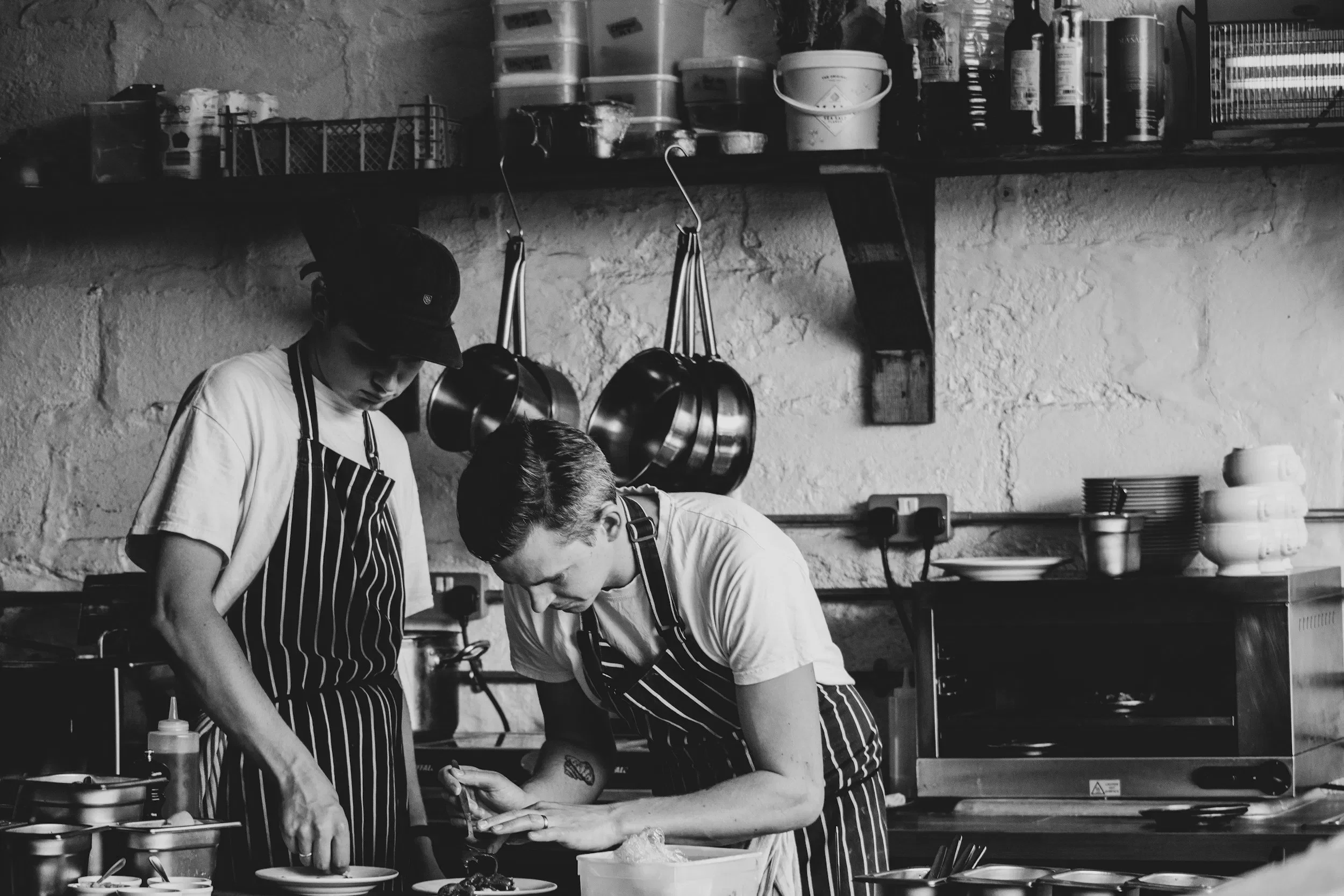
I have seen owners spend months worrying about strategy, branding, or expansion, when the real trouble was that nobody could agree on what "ready for service" meant at half past five. That is not a criticism, it is simply how hospitality works. The urgent thing always crowds out the important thing, until one day you realise the place only feels smooth when you are there translating, reminding, and quietly correcting.
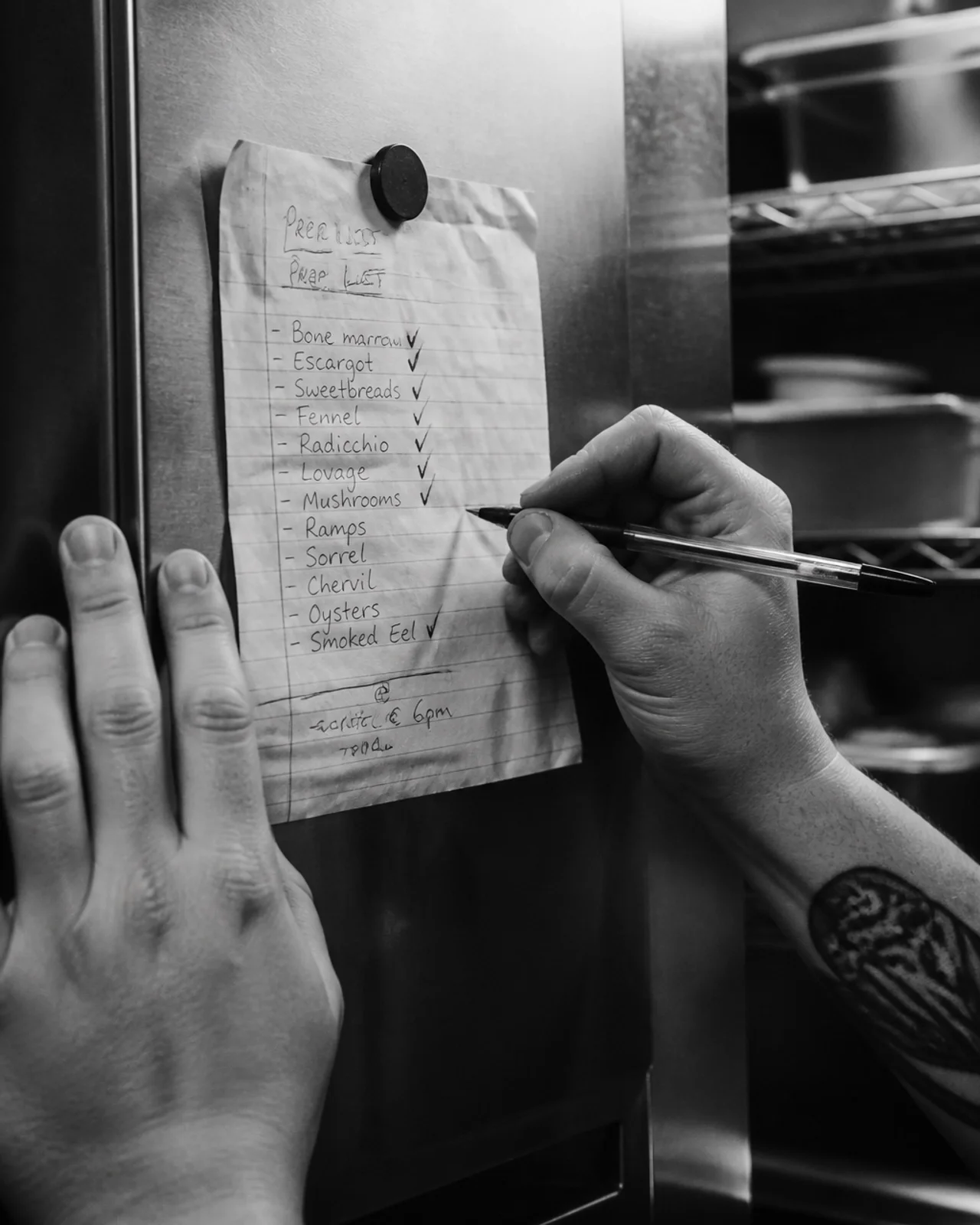
That is usually the moment to simplify. You do not need a giant operations manual. You need a handful of clear tools that people can actually use in the middle of a real shift. An opening checklist for each station; a closing checklist that leaves no argument about what good looks like; line checks so food and drink are checked before service begins; ordering and inventory routines based on real usage rather than guesswork; a clear way to recover a guest complaint without needing the owner to appear like a headmaster; cleaning standards that can be seen, not merely talked about.
Simple beats clever.
If everybody has a different idea of what the standard is, you will keep getting pulled back into the same conversations. That is why documentation matters, but only if it is written for the floor rather than the shelf. I have seen too many manuals that were beautifully formatted and completely useless by the second Friday night. The useful version is short, specific, visible, and repeatable. It tells people what needs doing, who is responsible, when it happens, and how you know it has been done properly.
Then, and this is the part people skip, you review it. If nobody checks the routine, the routine slides. Not because your team is lazy, but because busy places drift. They always have.
Build a Structure That Other People Can Hold
Once the basics are steadier, you can start building a structure that does not depend on you solving every problem yourself.
This is the stage where you build systems, reporting lines, management habits, and clear handovers so the business becomes more consistent and less owner-dependent.
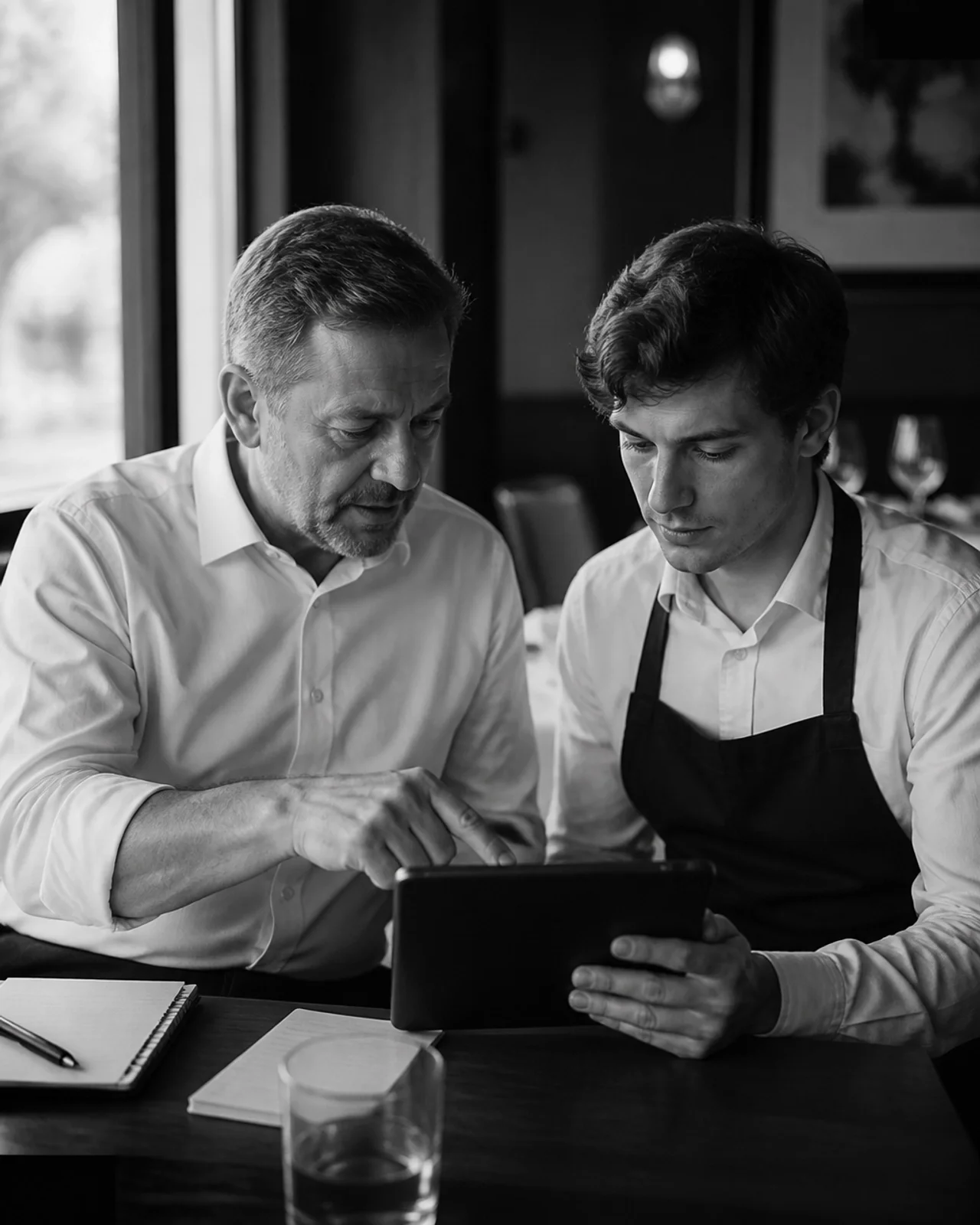
The mistake here is usually not laziness, but speed. Owners get tired, they finally decide to hand things over, and then they try to pass on half the business in a fortnight. It rarely works. People need sequence. A sensible handover often begins with repeatable admin, stock counts, order checks, rota drafting, the sort of work that has a clear shape and a clear outcome. Once that is steady, you can move into shift leadership, with you nearby but not swooping in every time somebody hesitates. Only then is it really useful to teach the numbers, because sales, labour, waste, and profit make more sense when someone has already felt the rhythm of running the shift.
Good sequencing prevents chaos.
Training follows the same logic. Most delegation goes wrong because it is mentioned once and then abandoned to chance. I have done that myself, and I would not recommend it. People learn properly when you explain the task and why it matters, show it done well, watch them do it themselves, and then review it while the details are still fresh. That rhythm builds confidence on both sides. They feel supported, and you begin to trust what you can see rather than what you fear might go wrong.
Delegation Works Best When the System Supports People
Owners often say, "I just feel easier when I do it myself." That feeling is real. Usually, it comes from experience. You have seen things missed before, so you step back in.
The answer is not to shame that instinct. The answer is to reduce the risk around it.
You do that by giving trust a bit of structure. Signed checklists help. So does simple reporting. In some parts of the operation, photos are useful because they settle the question quickly. Clear shift notes matter. Regular manager check-ins matter even more. None of this is about bureaucracy for its own sake. You are not trying to remove trust. You are trying to support it with evidence and routine.
That changes the conversation. Instead of wondering whether something was done, you can see it, review it, and coach from there.
If You Are Constantly Firefighting, Build a Better Day
If you spend the day solving the same problems again and again, the issue is usually not effort. It is structure.
I have written before about how your team isn't the problem. In most cases, people do better when expectations are clearer, training is steadier, and the routine is more consistent.
So start by noticing where you get pulled in most often. For one owner it is service issues; for another it is staff questions, ordering, cashing up, complaints, or the eternal last-minute rota gap. The category matters less than the pattern. Find the bit of the day that keeps summoning you back. Then slow it down enough to examine it. Write down the steps. Train one person. Review it for a week. Improve it. That is not glamorous restaurant operations management, but it is real, and it works.
Do not try to fix the whole business in one go. Build it piece by piece.
A Practical Plan for Stepping Back
If your aim is for the business to run well without you there every minute, the path is usually simpler than people expect. First, get a proper diagnosis, an honest view of where the pressure points really are. Then fix the basics, because daily discipline has a way of solving problems that strategy decks never touch. After that, build the systems, handovers, roles, reporting lines, and management habits that allow the business to carry its own weight. Train in sequence. Review regularly. Step back gradually, not suddenly.
That is how a business becomes less dependent on the owner, without losing its character.
Final Thought
You do not need to stop caring. You do not need to vanish from the floor. You just need to stop being the only person holding the place together.
That takes time. It takes patience. And if I am honest, it can feel uncomfortable at first. But it is worth doing, because a well-structured business gives you options. It gives your team room to grow. It gives your guests a more consistent experience. And it gives you the chance to lead the business, rather than carry it alone.

If you want a second pair of eyes on the operation, that can be useful too. Sometimes an outside review helps you see the patterns that are hard to spot when you are in the middle of them every day. That is very much the thinking behind how we work at Atelier Sawyer, practical, hands-on, and grounded in the reality of service. The point is not to hand you a clever theory; it is to help you see, more clearly, what the business has been trying to tell you all along.